
Civil engineering is advancing at an unprecedented pace, shaping the landscapes and infrastructure that define our future cities and communities. The sector faces greater complexity than ever, with projects demanding innovative thinking and sustainable approaches to address emerging challenges.
For professionals, developers, and public sector leaders, understanding the latest civil engineering solutions is vital to staying ahead. This guide delivers expert insights, forecasts, and actionable strategies designed to support successful planning and project delivery in 2026.
Explore cutting-edge developments in emerging technologies, sustainable best practices, regulatory changes, project management innovations, and the challenges and opportunities that lie ahead.
Emerging Technologies in Civil Engineering
The civil engineering sector is undergoing a transformation, fuelled by rapid technological advancements. From digital modelling to automation, these innovations are redefining how projects are designed, managed, and delivered. Staying ahead of the curve with the latest civil engineering solutions is essential for professionals seeking efficiency, sustainability, and future-ready infrastructure.
Digital Transformation and BIM Integration
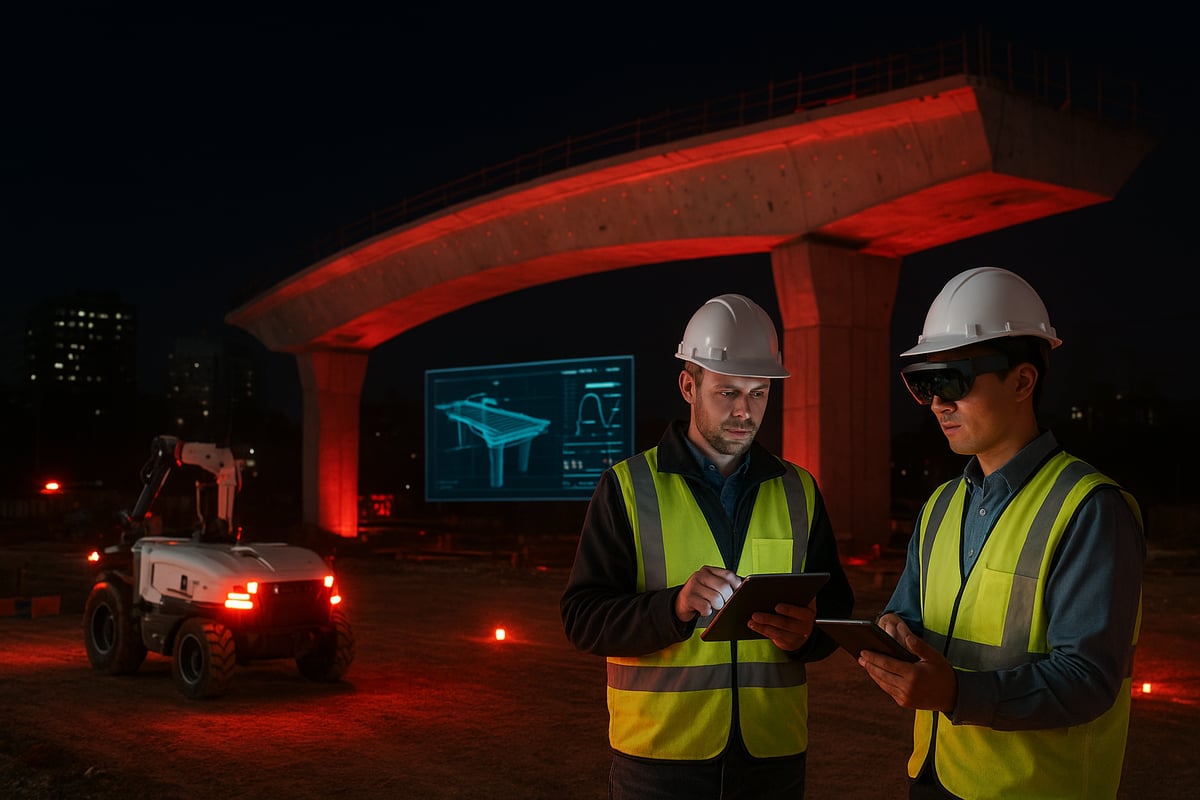
Digital transformation is at the forefront of civil engineering solutions, with Building Information Modelling (BIM) becoming a standard tool across the industry. BIM allows for detailed project visualisation and seamless collaboration among architects, engineers, and contractors. The integration of digital twins takes this a step further, enabling real-time asset management throughout the infrastructure lifecycle.
By adopting BIM and digital twins, firms can enhance project efficiency and significantly reduce errors during both design and construction phases. For example, major UK infrastructure projects now rely on BIM for lifecycle management, ensuring smoother transitions from planning to operation. According to recent forecasts, over 70% of UK firms are expected to adopt BIM Level 2 or higher by 2026.
For a comprehensive overview of how these digital tools support modern civil engineering solutions, see the Civil engineering services overview.
Automation and Robotics in Construction
Automation is revolutionising civil engineering solutions by introducing autonomous machinery for tasks such as excavation, paving, and site surveys. Drones are increasingly used for aerial mapping and monitoring project progress, providing accurate data in real time.
These advancements lead to notable reductions in labour costs and project timelines. Robotic bricklaying machines, for instance, can complete commercial building projects much faster than traditional methods. As automation becomes more accessible, it is set to transform the way civil engineering solutions are delivered across the UK.
Advanced Materials and Smart Infrastructure
The introduction of advanced materials is a key driver in the evolution of civil engineering solutions. Self-healing concrete and high-performance composites are now being deployed to extend the lifespan and resilience of structures. Alongside these innovations, smart sensors are embedded in bridges and roads, providing continuous data for structural health monitoring.
Smart motorways equipped with IoT-enabled traffic management systems exemplify the shift towards intelligent infrastructure. Industry projections indicate a 40% increase in smart infrastructure deployment by 2026, underscoring the growing demand for technology-driven civil engineering solutions.
Artificial Intelligence and Data Analytics
Artificial intelligence is reshaping civil engineering solutions by enabling AI-driven design optimisation and predictive maintenance. Data analytics tools offer valuable insights for risk assessment and project forecasting, allowing teams to make informed decisions quickly.
One practical example is the use of AI platforms to predict maintenance needs for rail networks, reducing downtime and operational costs. With AI adoption in construction expected to double by 2026, the role of intelligent systems in civil engineering solutions will only become more prominent in the years ahead.
3D Printing in Civil Engineering
3D printing is opening new avenues for civil engineering solutions, particularly in the creation of structural components and custom parts on site. This technology allows for rapid prototyping, making it possible to produce complex geometries that would be difficult or costly with traditional methods.
Urban environments are starting to see the benefits, with 3D-printed pedestrian bridges showcasing the potential for innovation and efficiency. As 3D printing becomes more mainstream, it is poised to become a cornerstone of future civil engineering solutions.
Augmented and Virtual Reality Applications
Augmented reality (AR) and virtual reality (VR) are enhancing civil engineering solutions by offering immersive design reviews and interactive training sessions. These technologies enable stakeholders to engage with projects through virtual walkthroughs, improving communication and understanding during all phases of delivery.
The adoption of AR and VR is expected to grow as firms seek new ways to visualise, plan, and execute complex civil engineering solutions.
Sustainable and Resilient Civil Engineering Practices
The demand for sustainable and resilient civil engineering solutions is reshaping the industry as we approach 2026. Professionals are adopting new methods, materials, and frameworks to address environmental, social, and regulatory pressures while delivering future-proof infrastructure.
Green Building Standards and Certifications
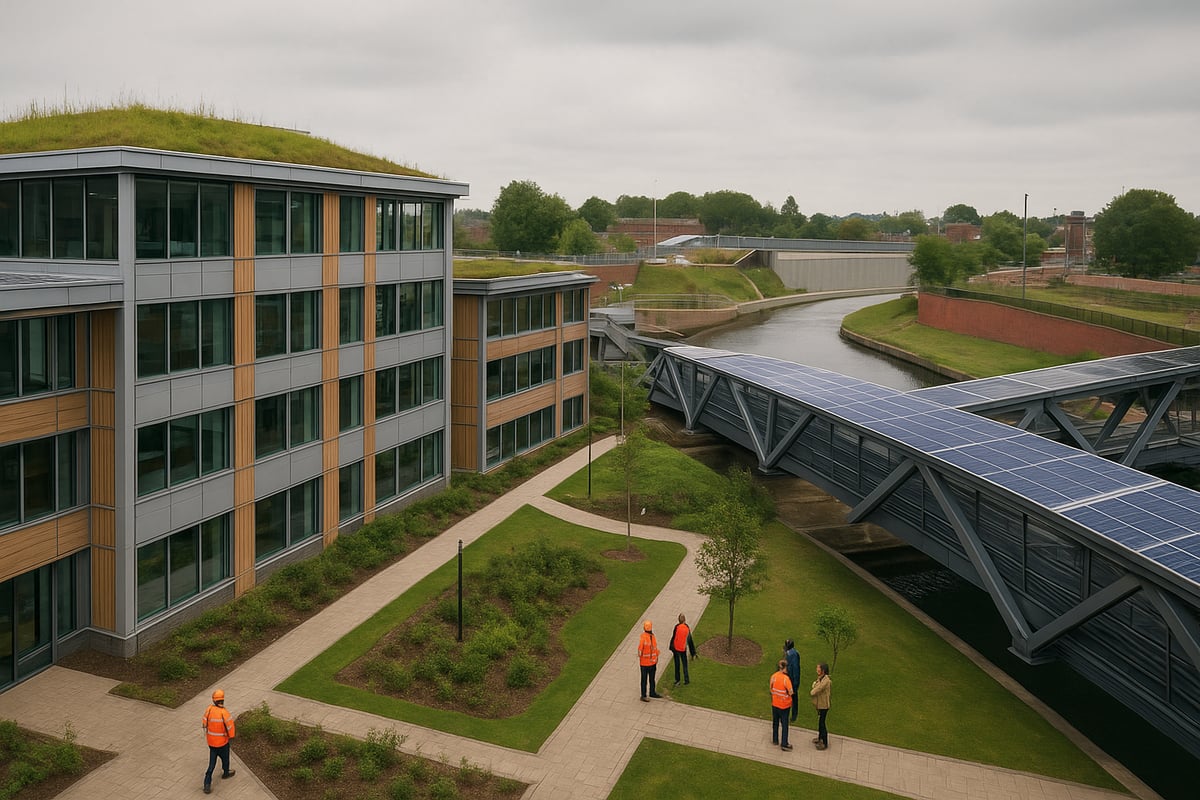
Green building certifications are now a core part of civil engineering solutions, guiding project design and material selection. Frameworks like BREEAM and LEED set benchmarks for energy efficiency, environmental impact, and occupant wellbeing. These standards ensure that buildings contribute positively to their surroundings and meet the expectations of regulators and clients.
| Certification | Focus Areas | Example Projects |
|---|---|---|
| BREEAM | Energy, Water, Health | UK Eco-Office Developments |
| LEED | Materials, Innovation | Sustainable Schools & Hospitals |
By following sustainable civil engineering practices, developers can achieve awards and recognition for their commitment to green solutions. These certifications not only enhance operational efficiency but also increase the long-term value of infrastructure.
Low-Carbon and Circular Construction Methods
To reduce environmental impact, civil engineering solutions increasingly rely on low-carbon materials and modular approaches. Recycled aggregates, prefabricated components, and circular economy principles are now mainstream. These methods minimise waste, lower emissions, and speed up construction.
A growing number of UK projects, aiming for net-zero emissions, are adopting circular strategies such as reusing demolition waste and designing for disassembly. According to industry forecasts, 30% of new builds will target net-zero by 2026, setting a new standard for responsible construction.
Climate Adaptation and Flood Resilience
Climate resilience is a critical driver for modern civil engineering solutions. Engineers now integrate flood defence systems, sustainable urban drainage solutions (SuDS), and robust design measures to protect assets from extreme weather.
Projects like the Thames Barrier upgrades and Newcastle's city-wide SuDS exemplify how adaptation strategies are embedded into urban planning. These initiatives safeguard communities and reduce long-term maintenance costs, ensuring infrastructure can withstand future climate challenges.
Renewable Energy Integration in Infrastructure
Civil engineering solutions are evolving to incorporate renewable energy sources at every stage. Solar panels, wind turbines, and geothermal systems are now commonly integrated into highways, bridges, and public spaces. Smart grids and advanced energy storage solutions support efficient power distribution and resilience.
Solar-powered motorways and bridges highlight the potential of combining traditional infrastructure with clean energy generation. These innovations contribute to sustainability goals and demonstrate the sector's commitment to a greener future.
Water Management and Conservation Strategies
Effective water management is central to sustainable civil engineering solutions. Advanced rainwater harvesting, water recycling, and efficient irrigation systems are now standard features in urban developments. These technologies reduce potable water demand and help cities adapt to changing rainfall patterns.
Innovative stormwater management, coupled with real-time monitoring, ensures that new projects achieve a 25% reduction in potable water use by 2026. Such strategies not only preserve resources but also meet regulatory and community expectations.
Social Value and Community Engagement
Delivering social value is now a key objective of civil engineering solutions. Projects prioritise local employment, skills training, and inclusive design to maximise benefits for communities. Stakeholder engagement and transparent consultation processes ensure that infrastructure meets local needs.
Regeneration schemes with strong community partnerships set a benchmark for long-term social impact. By embedding social value into every stage, civil engineers help build not just structures, but stronger, more resilient communities.
Regulatory Changes and Industry Standards for 2026
Navigating regulatory changes and evolving industry standards is essential for professionals seeking effective civil engineering solutions in 2026. Understanding new legislation, compliance requirements, and best practices allows organisations to deliver safe, high-quality projects while remaining competitive.

Evolving UK and EU Regulations
The regulatory landscape for civil engineering solutions is rapidly shifting. The UK’s Building Safety Act introduces new requirements for structural integrity and fire safety, especially for high-rise buildings.
Post-Brexit, divergence between UK and EU standards is increasing. This impacts material sourcing, project timelines, and cross-border collaborations. Staying updated on these changes is vital for civil engineering solutions to meet legal obligations and maintain project momentum.
A notable example is the introduction of stricter fire safety measures for multi-storey developments, requiring robust design documentation and third-party verification. Adapting to these evolving regulations is a key priority for project leaders.
Health, Safety, and Environmental Compliance
Health, safety, and environmental standards are fundamental for successful civil engineering solutions. Enhanced worker protection protocols, including digital safety management tools, are now standard practice.
Firms must conduct thorough environmental impact assessments and provide transparent carbon reporting. The adoption of digital platforms has contributed to a 15 percent reduction in site accidents, highlighting the value of technology in compliance.
Integrating these measures ensures both regulatory adherence and the well-being of project teams. Environmental considerations are increasingly shaping project approvals and funding.
Procurement and Contracting Innovations
Modern Methods of Construction and collaborative contracting models are transforming procurement in civil engineering solutions. Framework agreements and models like NEC4 promote transparency and shared accountability.
Public sector reforms are streamlining procurement processes, enabling faster delivery and improved risk management. For instance, alliancing contracts encourage open communication and joint decision-making.
To see how these innovations are applied in practice, explore recent innovative civil engineering projects which demonstrate the benefits of progressive procurement strategies in real-world settings.
Quality Assurance and Accreditation
Quality assurance is a cornerstone of reliable civil engineering solutions. Industry accreditations such as ConstructionLine and SafeContractor provide assurance of contractor competence and commitment to safety.
These certifications foster trust with clients and ensure that projects consistently meet high standards. Adhering to recognised frameworks also streamlines project delivery and reduces the likelihood of costly errors.
Digital Record-Keeping and Data Security
With civil engineering solutions becoming increasingly digital, legal requirements for digital record-keeping are more stringent than ever. Secure management of digital asset records, including design files and compliance documentation, is now mandatory.
Cybersecurity protocols protect sensitive project data from breaches, safeguarding both organisational reputation and client confidentiality. As connectivity grows, so does the need for robust digital defences.
Innovative Project Management Strategies
Innovation in project management is transforming civil engineering solutions, helping organisations adapt to increasingly complex project environments. By embracing collaborative models, digital tools, and advanced risk management, civil engineers can deliver projects that are efficient, resilient, and future-ready.

Integrated Project Delivery (IPD) Models
Integrated Project Delivery (IPD) is gaining traction as a cornerstone of civil engineering solutions. This collaborative approach aligns all project stakeholders, from architects to contractors, under a single contract. By sharing both risks and rewards, IPD fosters transparency and mutual accountability.
The advantages for complex infrastructure projects are significant. Early involvement of all parties helps reduce design conflicts and accelerates problem-solving. In the UK, IPD has contributed to the success of major hospital and transport projects, improving timelines and budget control.
Civil engineering solutions that use IPD are better equipped to deliver value, reduce waste, and respond to stakeholder needs.
Agile and Lean Construction Practices
Agile and Lean construction practices are reshaping how civil engineering solutions are delivered. Lean principles focus on eliminating waste and optimising each step of the workflow, while Agile methods introduce adaptability and frequent stakeholder feedback.
By combining these approaches, project teams can quickly address changes and minimise bottlenecks. For example, Lean construction has contributed to a 20% reduction in project delays across the industry.
Civil engineering solutions that integrate Agile and Lean methods are more responsive and efficient, ensuring projects meet evolving client and regulatory requirements.
Digital Project Management Platforms
The adoption of cloud-based project management platforms is revolutionising civil engineering solutions. These tools enable teams to handle scheduling, budgeting, and communication from a central hub, ensuring everyone has access to real-time updates.
Features like digital dashboards allow for instant progress tracking and reporting, which streamlines decision-making. Leading UK contractors have embraced these platforms to enhance coordination and accountability.
For professionals seeking a competitive edge in project delivery, exploring civil engineering design services can provide further insights into how digital transformation is optimising project outcomes.
Remote Collaboration and Virtual Teams
Remote collaboration is now an essential part of civil engineering solutions, especially as project teams become more distributed. Digital tools allow for seamless communication across locations, making it easier to coordinate tasks and share expertise.
This approach not only increases productivity but also expands access to a wider talent pool. Virtual teams can be assembled based on project needs, bringing together specialists without geographical limitations.
By embracing remote collaboration, civil engineering solutions can adapt to dynamic project demands and maintain momentum, even in challenging circumstances.
Risk Management and Scenario Planning
Advanced risk management is fundamental for successful civil engineering solutions. Modern tools support detailed scenario planning, enabling teams to anticipate and mitigate potential issues before they escalate.
Techniques such as digital risk registers and predictive modelling are becoming standard practice. For example, using digital twins, project managers can simulate various scenarios and proactively address vulnerabilities, improving overall project resilience.
Innovative approaches, such as those outlined in research on Digital Twin Framework for Structures, are setting new benchmarks for predictive maintenance and real-time monitoring in infrastructure projects.
Skills Development and Workforce Training
To maximise the benefits of innovative project management, continuous skills development is vital in civil engineering solutions. Upskilling engineers in digital tools, collaborative models, and sustainability is now a priority for leading firms.
Partnerships with universities and training providers are expanding, ensuring the workforce is prepared for future challenges. By 2026, it is expected that 60% of civil engineers will have received training in digital skills.
Investing in workforce development ensures civil engineering solutions remain at the forefront of technological and operational excellence.
Future Challenges and Opportunities in Civil Engineering
Anticipating the future of civil engineering solutions means recognising both the obstacles and the tremendous possibilities ahead. As 2026 approaches, the industry must adapt quickly, responding to shifting demands, resource pressures, digital transformation, and the pressing need for sustainability. Addressing these challenges head-on is the key to creating resilient, innovative infrastructure for generations to come.
Urbanisation and Infrastructure Demand
Urban growth in the UK is accelerating, placing significant demands on civil engineering solutions. Cities like Manchester and Birmingham are expanding rapidly, requiring smart approaches to transport, housing, and utilities.
To meet these needs, engineers are adopting smart city strategies, integrating advanced transport systems and digital infrastructure. Major regeneration projects are transforming urban landscapes, focusing on connectivity and resilience.
The challenge lies in delivering scalable civil engineering solutions that balance economic growth with social and environmental well-being.
Ageing Infrastructure and Asset Management
Many of the UK's bridges, roads, and utilities are reaching the end of their design life, increasing the risk of service disruptions. Effective asset management is essential for maintaining safety and reliability.
Civil engineering solutions now rely on predictive maintenance, data analytics, and lifecycle planning to extend asset longevity. With an estimated £60 billion required for infrastructure renewal by 2030, prioritising interventions is critical.
Investment in innovative monitoring technologies and strategic planning can transform these ageing assets into sustainable components of tomorrow's infrastructure.
Resource Scarcity and Supply Chain Disruptions
Material shortages and volatile prices are challenging traditional construction methods. The search for alternative materials and local sourcing has become a vital part of civil engineering solutions.
Supply chain resilience is now a top priority. Engineers are adopting flexible procurement strategies and exploring recycled or low-carbon materials. For further insights, Sustainable Civil Engineering Practices highlights approaches that help address these issues.
These strategies not only mitigate risk but also contribute to the sustainability of civil engineering solutions in the face of global uncertainty.
Digital Skills Gap and Talent Shortages
A shortage of skilled professionals threatens to slow progress on vital projects. The civil engineering solutions of 2026 will depend on attracting and retaining talent with expertise in digital tools, automation, and sustainable practices.
Industry initiatives are underway to promote STEM careers and upskill the existing workforce. The integration of artificial intelligence, as explored in AI Applications in Civil Engineering, is creating new opportunities for professionals to learn and apply cutting-edge techniques.
Bridging the digital skills gap is essential to ensure that civil engineering solutions remain competitive and innovative.
Environmental and Social Governance (ESG) Pressures
Investors and the public are demanding greater transparency and accountability from the construction sector. ESG criteria are now central to funding decisions and reputation management.
Civil engineering solutions must demonstrate measurable progress in sustainability, ethical supply chains, and community engagement. ESG reporting frameworks are guiding firms in quantifying their environmental and social impact.
Adapting to these pressures positions civil engineering solutions at the forefront of responsible infrastructure development.
Global Collaboration and Knowledge Sharing
The future of civil engineering solutions relies on international cooperation. Cross-border partnerships allow UK firms to share best practices, access new technologies, and participate in global research initiatives.
Participation in international programmes encourages the adoption of innovative standards and methods. By embracing global collaboration, the industry can accelerate progress and deliver world-class civil engineering solutions for every community.
JRG Civils Ltd: Delivering Excellence in Civil Engineering Solutions
JRG Civils Ltd is at the forefront of delivering high-quality civil engineering solutions across the UK. The company’s expertise spans highways, drainage, foundations, and public realm projects, ensuring every client receives innovative and sustainable results.
With industry accreditations and a focus on safety, JRG Civils Ltd is a trusted partner for both large-scale infrastructure and bespoke developments. Their commitment to excellence aligns perfectly with the evolving demands of civil engineering solutions in 2026.