
Civil engineering is rapidly transforming the way we shape our cities and infrastructure. As the demand for smarter, greener, and more resilient environments rises, the role of services of civil engineering has never been more critical.
With 2026 fast approaching, advances in technology and evolving project requirements are setting new standards for the industry. Civil engineers are now at the forefront of innovation, delivering solutions that drive sustainability, safety, and efficiency.
In this article, discover the seven essential services every project will need for success. Ready to future-proof your next build? Explore the key practices shaping tomorrow’s built environment.
The Critical Role of Civil Engineering in Modern Infrastructure
Civil engineering is the backbone of every modern society. It shapes the way we live, move, and connect. At its core, civil engineering delivers the essential infrastructure that supports daily life, from roads and bridges to water supply and energy networks. The diverse services of civil engineering ensure that communities remain functional, safe, and sustainable for generations.
Civil engineering services are vital drivers of economic growth and public safety. They underpin the creation of new jobs, enable efficient transport, and protect communities from environmental hazards. Without robust services of civil engineering, societies would struggle to meet the demands of population growth and urbanisation. These services also play a key role in achieving sustainability goals, delivering infrastructure that minimises environmental impact while maximising long-term value.
The shift towards smart cities and green infrastructure is redefining the services of civil engineering. Urban planners now prioritise resilience and adaptability, incorporating green spaces, renewable energy, and sustainable drainage into city design. As a result, civil engineers must balance innovation with practicality, ensuring every project meets the evolving expectations of both regulators and the public.
Digital transformation is revolutionising how services of civil engineering are delivered. The integration of Building Information Modelling (BIM), Geographic Information Systems (GIS), and artificial intelligence enables engineers to design, monitor, and manage projects with unprecedented accuracy. These technologies improve collaboration, reduce errors, and drive efficiency across all stages of infrastructure delivery.
Regulatory changes and environmental standards are raising the bar for civil engineering projects. The UK’s commitment to net zero and the introduction of stricter building safety laws have a direct impact on how services of civil engineering are planned and executed. For example, the UK’s infrastructure investment is projected to reach £600bn by 2026, funding high-profile projects such as Crossrail, HS2, and the Thames Tideway Tunnel. These initiatives showcase the scale and ambition of modern civil engineering, setting new benchmarks for quality and sustainability.
| Project | Location | Type | Investment (£bn) |
|---|---|---|---|
| Crossrail | London | Transport | 18 |
| HS2 | National | Rail | 98 |
| Thames Tideway Tunnel | London | Water/Sewer | 4.2 |
Civil engineering continues to evolve, adapting to technological advances, regulatory demands, and society’s changing needs. The services of civil engineering will be instrumental in building infrastructure that is not only fit for today but ready for the challenges of 2026 and beyond.

7 Essential Services of Civil Engineering for 2026 Success
Today’s infrastructure projects demand a forward-thinking approach, and the services of civil engineering are evolving rapidly to meet the challenges of 2026. From sustainability to digital delivery, these seven essential services set the foundation for project success in the UK and beyond. Let’s explore what makes each of these services indispensable for the industry’s future.
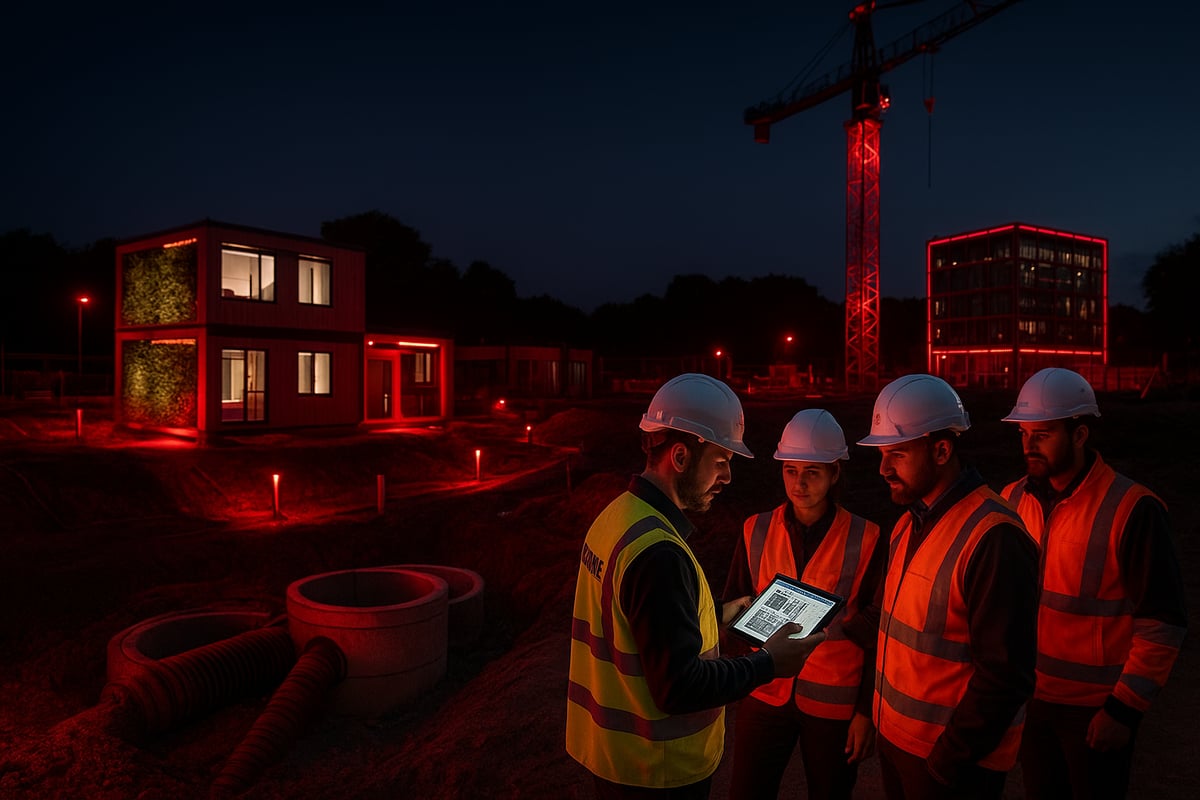
1. Sustainable Site Development
Sustainable site development stands at the forefront of modern services of civil engineering, shaping spaces that support both people and the planet. This service focuses on responsible land assessment, ecological preservation, and minimising environmental disruption. For 2026, the integration of green building standards like BREEAM and LEED is no longer optional but a prerequisite for success.
Key elements include:
- Comprehensive site analysis to protect natural habitats
- Use of permeable surfaces and green roofs
- Implementation of low-impact construction methods and recycled materials
A prime example is the Thames Tideway Tunnel, where sustainable site practices reduced waste, protected river ecosystems, and fostered strong community relations. These strategies not only lower a project’s carbon footprint but also add long-term value for investors and residents.
According to Construction News, 65% of UK developers plan to increase investment in sustainable site solutions by 2026. This reflects the growing recognition that services of civil engineering must prioritise climate resilience and social responsibility. For more on the design phase and its sustainable impact, see Civil Engineering Design Services.
By adopting these approaches, clients benefit from enhanced reputation, regulatory compliance, and improved community well-being. Sustainable site development is now integral to the future-facing services of civil engineering.
2. Advanced Drainage and Flood Management
The unpredictable effects of climate change have made advanced drainage and flood management a critical part of the services of civil engineering. Robust systems are essential for protecting communities and assets from increasingly severe weather events.
Modern drainage strategies now feature:
- Sustainable Drainage Systems (SuDS) to mimic natural water processes
- Permeable paving for reduced surface runoff
- Smart water management using IoT sensors and predictive analytics
Hull’s citywide flood resilience upgrades showcase these innovations. By combining real-time monitoring with sustainable infrastructure, the city has significantly reduced flood risk and insurance costs.
The UK Flood and Water Management Act sets rigorous standards for compliance, driving the adoption of new technologies. Flooding costs the UK economy over £1.1bn annually, according to the Environment Agency. Effective drainage and flood management within services of civil engineering help clients meet regulatory requirements and create safer, more resilient environments.
These solutions also support long-term property values and public confidence, reinforcing their importance in every major project.
3. Innovative Transportation Infrastructure
Efficient, future-ready transport networks are a hallmark of modern services of civil engineering. As urban populations grow and mobility demands shift, civil engineers are reimagining how people and goods move through cities and regions.
Key aspects include:
- Multimodal integration, linking roads, rail, cycling, and pedestrian pathways
- Adoption of smart traffic management systems and electric vehicle (EV) infrastructure
- Use of recycled materials and modular construction to streamline delivery
Manchester’s integrated transport corridor is an outstanding example, blending buses, trams, and cycling lanes with intelligent traffic controls. The UK government’s commitment of £5bn to active travel and EV infrastructure by 2026 underlines the strategic importance of this service.
Innovative transportation infrastructure within services of civil engineering reduces congestion, cuts emissions, and drives economic growth. The use of digital tools, like BIM and real-time data analytics, further enhances project efficiency and adaptability.
Clients benefit from improved connectivity, increased land value, and alignment with sustainability goals, making this service essential for future success.
4. Structural Engineering and Smart Building Solutions
Structural engineering is evolving rapidly, with smart building solutions now a core part of the services of civil engineering. The focus is on creating structures that are safe, adaptable, and future-proof.
Latest trends and tools include:
- Digital twins and Building Information Modelling (BIM) for real-time design collaboration
- Advanced materials, such as carbon fibre and self-healing concrete, for durability
- Enhanced safety features addressing earthquake resistance and fire protection
The Shard in London exemplifies innovation in this field, with its use of high-strength materials and digital modelling to ensure longevity and flexibility. According to NBS, 78% of UK construction firms now use BIM for structural projects, reflecting industry-wide adoption.
Smart building solutions within services of civil engineering deliver reduced maintenance costs, improved energy efficiency, and greater occupant safety. By leveraging technology, projects can adapt to changing needs and regulatory demands with ease.
This approach positions clients to meet both current and future expectations, ensuring every structure stands the test of time.
5. Geotechnical and Ground Engineering
Thorough ground investigation is the bedrock of successful services of civil engineering. Understanding soil conditions, groundwater behaviour, and geological risks is essential for safe and predictable project delivery.
Key techniques involve:
- Soil analysis and laboratory testing to assess bearing capacity
- Ground stabilisation and advanced foundation engineering
- Use of drones and remote sensing for accurate, efficient site surveys
The HS2 project’s extensive geotechnical surveys illustrate industry best practice, helping to minimise the risk of subsidence and costly delays. Data from ICE shows that 60% of construction delays are linked to unforeseen ground conditions, highlighting the value of this service.
Geotechnical and ground engineering within services of civil engineering provide clients with greater confidence in budgeting and scheduling. Early identification of potential issues leads to cost savings and a smoother construction process.
Ultimately, this service is vital for project predictability and long-term stability.
6. Utility and Underground Infrastructure Solutions
Coordinating utilities and underground infrastructure is a complex, but crucial, aspect of the services of civil engineering. Ensuring seamless integration of water, gas, electricity, and telecoms networks can make or break a project.
Modern practices focus on:
- Trenchless technologies to minimise surface disruption and speed up installation
- Integration of smart grids for efficient energy management
- Future-proofing utility networks with scalable, modular designs
London’s super sewer project stands as a benchmark, demonstrating how careful utility planning and integration reduce downtime and enhance safety. According to the ONS, 40% of UK infrastructure spend goes to utilities and underground works, reflecting its importance.
Utility and underground infrastructure solutions within services of civil engineering provide reduced operational risks, improved scalability, and better service delivery. These benefits are crucial for supporting growing urban populations and evolving technology demands.
Selecting the right approach ensures projects meet today’s needs and are ready for tomorrow’s challenges.
7. Project Management and Digital Delivery
Expert project management and digital delivery are key pillars in the services of civil engineering, especially as projects grow in complexity and scale. Effective management ensures that every phase aligns with client objectives, budget, and timeline.
Essential tools and practices include:
- Digital project controls and real-time scheduling for transparency
- Stakeholder engagement strategies to manage expectations and resolve conflicts
- Robust risk management and quality assurance protocols
Crossrail’s digital project delivery approach is a leading example, using collaborative platforms to keep teams aligned and informed. McKinsey reports that projects using digital management tools see a 30% reduction in overruns.
Project management and digital delivery within services of civil engineering enable on-time, on-budget completion and improved transparency. This reduces disputes and enhances overall project quality.
For clients, these capabilities translate into stronger partnerships and greater confidence in project outcomes.
Key Trends Shaping Civil Engineering Services for 2026
The landscape of civil engineering is shifting rapidly, with 2026 set to be a pivotal year. The pace of technological innovation, environmental demands, and regulatory change is accelerating. As a result, the services of civil engineering are evolving to meet these new challenges, ensuring that infrastructure projects are resilient, efficient, and future-ready.

Digital Transformation and Smart Technologies
Digital transformation is at the core of modern civil engineering. Tools like Building Information Modelling (BIM), Geographic Information Systems (GIS), and artificial intelligence are revolutionising how projects are designed, managed, and delivered. These technologies enable real-time collaboration, improve accuracy, and reduce costly errors.
According to UK Civil Engineering Trends 2025, the adoption of digital twins and modular construction is accelerating, helping firms deliver smarter, more adaptable outcomes. The integration of data-driven decision-making into the services of civil engineering is now standard practice, ensuring that projects can adapt quickly to emerging risks and opportunities.
Sustainability and Regulatory Imperatives
Sustainability is no longer optional; it is a core requirement for all services of civil engineering. The drive for low-carbon design, adoption of circular economy principles, and integration of green infrastructure are shaping every stage of project delivery. Civil engineers are increasingly tasked with meeting strict environmental targets, including the UK’s net zero commitments.
Regulatory shifts, such as the Building Safety Act, are compelling firms to prioritise safety, transparency, and environmental performance. Long-term strategies like the UK’s 10-Year Infrastructure Strategy are guiding investment and compliance, ensuring that the services of civil engineering remain aligned with national goals.
Workforce Evolution and Collaborative Delivery
The workforce behind the services of civil engineering is undergoing significant change. Skills shortages, the need for diversity, and upskilling are pressing concerns. Firms are investing in training and attracting new talent to keep pace with industry demands.
Collaboration is becoming essential. Multidisciplinary teams, stakeholder engagement, and transparent communication are now central to successful project outcomes. By fostering a collaborative culture, civil engineers can deliver more resilient and innovative solutions, even as project complexity increases.
Resilience, Climate Adaptation, and Global Best Practices
Resilience against climate change and extreme weather is a top priority for the services of civil engineering. Projects must be designed to withstand unpredictable conditions, protect communities, and ensure long-term value. The UK’s Green Industrial Revolution offers a blueprint for integrating climate adaptation into everyday practice.
International best practices demonstrate the value of learning from global leaders. Case studies highlight how embracing resilience and innovation can future-proof infrastructure, making the services of civil engineering more effective and sustainable for years to come.
Choosing the Right Civil Engineering Partner for Your Project
Selecting the right partner for services of civil engineering is fundamental to your project’s success. An informed choice can mean the difference between seamless delivery and costly setbacks. With the industry evolving rapidly, it is essential to align your ambitions with a firm that meets both technical and professional standards.

Key Criteria for Choosing a Civil Engineering Firm
Start by evaluating accreditations and industry memberships, which validate a firm’s credibility and legal compliance. Experience in delivering complex services of civil engineering is equally important, especially on projects similar in scale or sector. Client reviews and case studies provide insight into the company’s reliability and track record.
A strong partner should offer end-to-end solutions, from initial design to project completion. Firms that showcase integrated expertise, such as those found in Building and Civil Engineering Projects, can streamline workflows and minimise risk.
Assessing Technological and Sustainability Capabilities
Modern services of civil engineering now demand advanced digital tools and sustainable practices. Evaluate whether your shortlisted firm invests in Building Information Modelling (BIM), remote collaboration, and smart construction methods. Sustainability credentials, such as BREEAM or LEED experience, signal a commitment to future-proofing your investment.
Consider reviewing their technological approach, as detailed in Construction Engineering Solutions, to ensure they can deliver innovative, compliant results.
Checklist: Questions to Ask Potential Partners
- Are you accredited and experienced in the relevant services of civil engineering?
- Can you demonstrate successful delivery on similar projects?
- What digital tools and sustainability standards do you employ?
- How do you communicate progress and manage risks?
- Do you have strong local knowledge and national reach?
A well-chosen partner anticipates challenges, prevents delays, and guarantees the highest standards of safety and quality. The right relationship will underpin the long-term value and resilience of your project, ensuring that every stage of delivery aligns with your vision and regulatory requirements.