
The world of site engineering work is evolving rapidly, with 2025 bringing increased complexity and heightened expectations for successful outcomes. Navigating these challenges requires a strategic, step-by-step approach that leaves nothing to chance.
This guide is designed to help you master every stage, from pre-construction planning and site investigation to design integration, construction execution, quality assurance, and post-completion processes. If you are aiming for project excellence while overcoming industry obstacles, keep reading for practical insights and proven strategies at every critical step.
Pre-Construction Planning and Preparation
Effective pre-construction planning sets the foundation for successful site engineering work. In 2025, increasing project complexity, regulatory demands, and evolving technologies make thorough preparation more important than ever. Each step in this phase ensures your project is positioned for smooth execution, cost control, and regulatory compliance.

Understanding Project Scope and Requirements
Defining the scope is the first step in effective site engineering work. Begin by clarifying your project's objectives, deliverables, and boundaries. Identify all stakeholders, from investors and local authorities to end users, and document their expectations.
Large commercial projects often benefit from detailed stakeholder mapping. This process helps avoid miscommunication and costly misunderstandings. By clearly outlining what must be achieved and who is involved, you create a shared vision. For a comprehensive overview, see the Site Engineering Services Overview.
Regulatory Compliance and Permitting
Regulatory compliance is a cornerstone of site engineering work in 2025. Review both local and national regulations before proceeding. Secure all necessary permits and approvals early, as delays are increasingly common.
According to UK government sources, permit processing times have risen by 15 percent since 2022. Anticipate these changes in your planning. Stay updated on evolving rules to ensure your project remains compliant throughout its lifecycle.
Budgeting and Resource Allocation
Accurate budgeting is essential for site engineering work. Factor in current inflation rates and material cost trends when developing your budget. Allocate resources, including skilled labour and specialised machinery, based on project demands.
Early budget overruns are a leading cause of project delays. Use historical data and market forecasts to inform your estimates. Regularly review expenditures to identify potential overruns and adjust allocations promptly.
Risk Assessment and Mitigation Planning
Identifying and managing risk is critical in site engineering work. Assess potential hazards, such as environmental, safety, and logistical risks. Develop robust mitigation strategies, including contingency plans for unexpected events.
For example, flood risk assessments are now mandatory for many developments in the UK. Proactive risk management helps prevent costly setbacks and ensures project resilience from the outset.
Project Scheduling and Milestone Planning
Effective scheduling underpins successful site engineering work. Utilise tools like Gantt charts or specialist project management software to create detailed timelines. Set clear milestones to monitor progress and ensure accountability.
Digital scheduling platforms have reduced project overruns by up to 30 percent in recent studies. Regularly update your schedule to reflect real-time changes and communicate adjustments to your team promptly.
Site Access and Logistics
Careful planning of site access routes is vital for efficient site engineering work. Map out entry points for equipment and personnel, considering safety and local traffic regulations.
Address supply chain challenges by coordinating delivery schedules with suppliers. Urban sites, in particular, require advanced traffic management plans to minimise disruption. Early logistical planning ensures materials and resources arrive on time, keeping your project on track.
Site Investigation and Surveying
Thorough site investigation and surveying are the backbone of successful site engineering work. In 2025, projects demand not just precision, but also the ability to anticipate risks and integrate data from multiple disciplines. Each survey stage informs critical decisions, laying the groundwork for design, safety, and compliance. Let’s explore the essential steps that define modern site engineering work during the investigative phase.

Geotechnical and Environmental Surveys
Accurate geotechnical and environmental surveys are critical for site engineering work. These surveys assess soil composition, bearing capacity, and groundwater conditions, helping engineers anticipate construction challenges. Environmental checks identify contamination or protected habitats, which can impact both design and compliance.
For example, up to 60% of UK construction delays stem from unforeseen ground conditions. Modern site engineering work now relies on in-situ soil testing, borehole sampling, and groundwater monitoring to reduce surprises. Environmental survey data ensures that remediation or mitigation measures are planned early, preventing costly project changes later.
Topographical Surveying and Site Mapping
Topographical surveying provides the detailed spatial data needed for accurate design and planning in site engineering work. Advanced technologies like drones and laser scanners capture high-resolution site features, from terrain contours to existing structures.
Drone surveys can reduce mapping time by 50% compared to traditional methods, making them a popular choice for large or complex sites. This efficiency allows site engineering work teams to quickly identify elevation changes, drainage patterns, and obstacles. The resulting digital site maps are shared with stakeholders to support informed decision-making and collaborative planning.
Utility Detection and Mapping
Locating and mapping underground utilities is a vital component of site engineering work. Striking unknown pipes or cables can cause injuries, delays, and significant financial losses. In the UK, utility strikes cost the economy over £1.2 billion annually, highlighting the need for meticulous detection.
Specialist teams use ground-penetrating radar and electromagnetic locators to identify water, gas, and power lines. Accurate utility maps are then integrated into project models, reducing risks during excavation. By prioritising this step in site engineering work, teams can avoid disruptions and maintain project momentum.
Site Condition Assessment
A thorough site condition assessment reviews all visible and hidden features that may affect site engineering work. This includes evaluating existing buildings, vegetation, site access, and topography. Early identification of obstacles, such as mature trees or poor access routes, prevents late-stage redesigns.
Site engineering work benefits from structured checklists and systematic walkovers. Teams document findings with photos and notes, often using mobile apps for real-time data capture. This ensures that all stakeholders have a clear understanding of site constraints before design and construction commence.
Archaeological and Heritage Considerations
Many UK developments must address archaeological and heritage issues during site engineering work. Protected artefacts or historical structures may be present, requiring specialist surveys and regulatory clearances before any ground is disturbed.
Archaeological assessments are coordinated with local authorities to ensure compliance. When artefacts are discovered, work may be paused for investigation or preservation. This process is essential to avoid legal issues or costly delays, and it demonstrates the commitment of site engineering work teams to cultural stewardship.
Reporting and Data Management
Effective reporting and data management underpin every phase of site engineering work. Survey results, risk assessments, and site observations are compiled into detailed, shareable reports for the project team. Cloud-based platforms facilitate real-time collaboration, reducing errors and improving transparency.
For best outcomes, many professionals follow On-Site Engineering Best Practices by adopting digital tools that streamline documentation and communication. Comprehensive records ensure that all findings are accessible for design integration, regulatory reviews, and future reference.
Design Integration and Engineering Coordination
Site engineering work in 2025 demands seamless integration between design and engineering teams. The complexity of modern projects makes early and effective coordination critical for efficiency, risk reduction, and successful project delivery.

Collaborative Design Processes
Effective site engineering work relies on strong collaboration between architects, engineers, and contractors. Open communication channels help identify potential design conflicts early, reducing delays and costly rework.
Modern projects increasingly use Building Information Modelling (BIM) to share real-time updates and centralise project data. In the UK, BIM adoption has reached 75 percent, enabling teams to visualise and resolve issues before construction begins. Digital transformation trends, as highlighted in the UK construction trends 2025, are driving even greater integration and efficiency in site engineering work.
Value Engineering and Cost Optimisation
Value engineering is a systematic approach to improving the value of site engineering work without compromising quality. By analysing materials, construction methods, and design alternatives, teams can identify cost-saving opportunities.
Early engagement of all stakeholders ensures that proposed changes align with project objectives. Value engineering can reduce costs by 5 to 10 percent, making it an essential part of site engineering work in today's competitive market.
Digital Modelling and Simulation
Digital modelling and simulation tools are transforming site engineering work. Using 3D models and digital twins, engineers can predict site challenges and test solutions virtually before breaking ground.
These tools help identify clashes, optimise layouts, and enhance decision-making. Projects using digital modelling report 20 percent fewer on-site issues, demonstrating the value of embracing technology in site engineering work.
Design Review and Approvals
Thorough design review is crucial to ensure all plans meet regulatory and client requirements before construction begins. Iterative review cycles allow teams to catch errors and make necessary adjustments early.
A structured approval process minimises the risk of rework and ensures compliance with industry standards. In site engineering work, successful design review procedures directly impact project timelines and client satisfaction.
Change Management Procedures
Change is inevitable in site engineering work. Establishing clear change management protocols enables teams to document, assess, and implement modifications efficiently.
Transparent procedures help track design changes, communicate updates to all stakeholders, and minimise disruption. Effective change management supports project stability and ensures that adjustments are integrated without compromising quality or schedule.
Construction Execution: Step-by-Step Site Engineering
Executing site engineering work effectively requires discipline, coordination, and attention to detail at every stage. Each phase builds upon the last, ensuring that projects progress smoothly from site setup to final reporting. Below, we break down the essential steps that define successful site engineering work in 2025.
Site Setup and Mobilisation
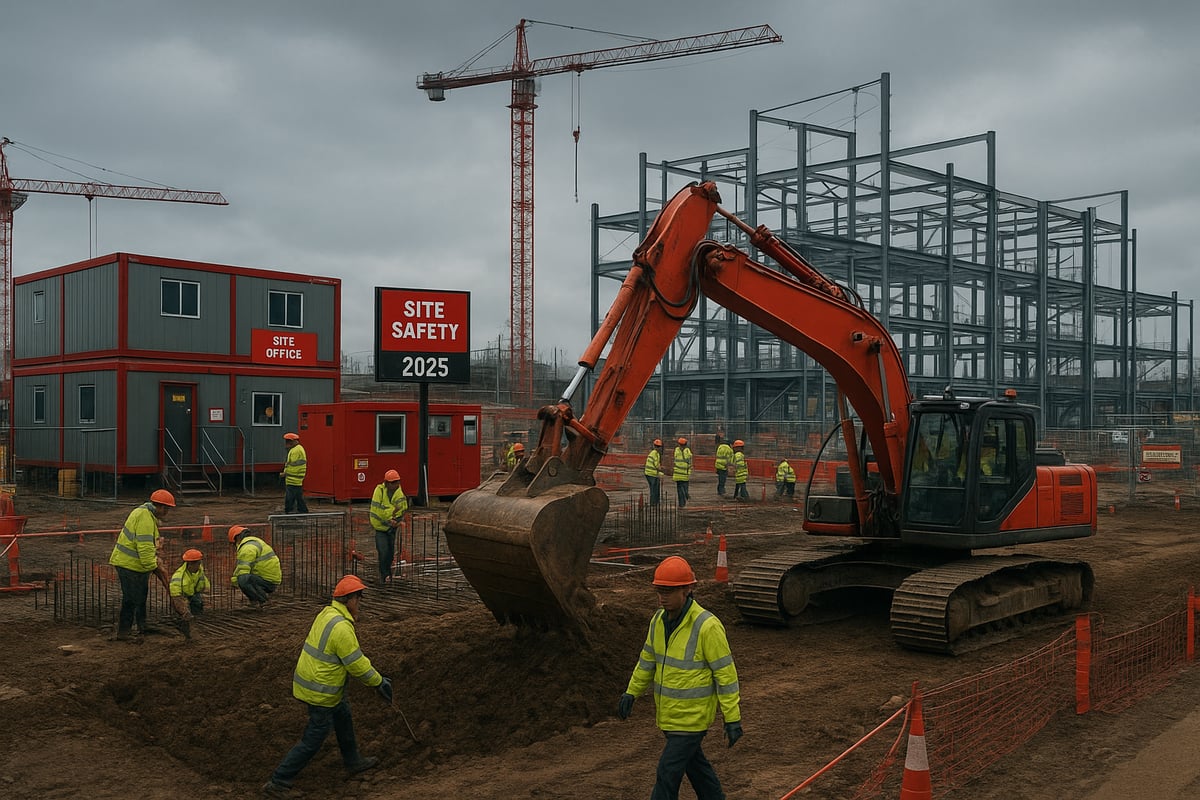
The first step in any site engineering work is efficient site setup and mobilisation. This involves preparing site offices, welfare facilities, storage areas, and establishing secure perimeters. Modular accommodation is now widely used, reducing mobilisation time by approximately 30 percent.
Site access points must be clearly marked, with signage and barriers in place to protect both workers and the public. Early attention to logistics, such as delivery routes and equipment staging areas, prevents bottlenecks from day one.
A well-organised mobilisation phase sets the tone for the rest of the project. Clear communication of site rules and safety protocols ensures everyone understands their responsibilities from the outset.
Groundworks and Earthworks
Groundworks are a fundamental part of site engineering work. This phase includes excavation, grading, and soil stabilisation, forming the essential base for all subsequent activities. Using modern machinery and digital mapping tools, teams can achieve high precision in excavation and compaction.
Proper groundworks are vital to minimise foundation defects, with recent data showing a 40 percent reduction in such issues when best practices are followed. For those seeking deeper insight, the Groundworks and Civil Engineering page provides a comprehensive overview of techniques and standards.
Managing earthworks also involves addressing drainage, temporary works, and environmental controls. Early identification of soil conditions and groundwater risks helps prevent costly delays further down the line.
Foundations and Substructure Construction
Once groundworks are complete, the focus shifts to foundations and substructure construction. This element of site engineering work involves installing footings, piles, basements, and retaining walls according to the design specifications.
Modern piling methods have transformed the sector, offering improved load-bearing capacity and greater efficiency. Accurate setting out and regular checks ensure that substructures align precisely with project plans.
Effective coordination between engineers and contractors is crucial during this phase. Any discrepancies or challenges must be addressed immediately to avoid rework and maintain momentum on site.
Utility Installation and Drainage
Utility installation is a critical aspect of site engineering work. Water, gas, electricity, and drainage systems must be integrated seamlessly with the overall design. Trenchless technology is increasingly used in urban environments, significantly reducing surface disruption and minimising environmental impact.
Detailed planning of service routes and connection points helps avoid clashes and ensures compliance with regulatory standards. Coordination with utility providers is essential, especially when working close to existing infrastructure.
Testing and commissioning of utilities should be scheduled into the main programme, ensuring that systems are operational before subsequent construction phases commence.
Structural Works and Superstructure
With substructures in place, structural works and superstructure erection begin. The choice of materials—whether steel, concrete, or timber—depends on the project's requirements and sustainability targets. Off-site fabrication is gaining traction, reducing assembly time by up to 25 percent and improving quality control.
During this phase of site engineering work, precision is key. All elements must be installed according to design tolerances, with regular inspections to ensure compliance. Collaboration between structural engineers and site teams ensures challenges are resolved promptly.
Attention to detail here reduces the likelihood of costly remedial work later. Clear documentation of progress supports ongoing quality assurance.
Roadways, Car Parks, and External Works
External works are essential for site engineering work, encompassing the construction of roadways, car parks, footpaths, and landscaping. Urban projects require advanced traffic management and careful coordination to minimise disruption to surrounding areas.
Sustainable materials are now preferred for surfacing, reflecting industry-wide environmental goals. Kerbing, signage, and drainage must be installed to exacting standards to ensure long-term durability and safety.
Landscaping and external finishes provide the final touch, enhancing the visual appeal and functionality of the completed development.
Health, Safety, and Environmental Management
Health, safety, and environmental management are non-negotiable elements of site engineering work. Site safety protocols must be implemented from day one, with regular audits and toolbox talks to reinforce best practices.
Digital safety systems are proving effective, with the HSE reporting a 10 percent drop in site injuries where such tools are used. Environmental controls, including dust suppression and waste management, protect both the workforce and the local community.
A culture of safety and environmental stewardship reduces incidents and builds trust with stakeholders. Transparent reporting of incidents and near-misses supports continuous improvement.
Progress Monitoring and Reporting
Effective progress monitoring is vital to the success of site engineering work. Daily site diaries, mobile reporting apps, and clear communication channels allow teams to track progress, identify issues, and make informed decisions in real time.
Accurate reporting ensures that milestones are met, and deviations from the programme are addressed swiftly. Regular updates keep stakeholders informed and engaged throughout the construction phase.
Leveraging technology for reporting reduces errors and streamlines collaboration. Documenting lessons learned supports future project improvements and reinforces a culture of excellence.
Quality Assurance and Compliance
Quality assurance and compliance serve as the backbone of successful site engineering work. In 2025, rising regulatory demands and client expectations make robust quality processes non-negotiable. Each step, from initial inspections to final certifications, is vital for delivering safe, durable, and compliant projects.
Inspection and Testing Procedures
Regular inspection and testing procedures are at the heart of site engineering work. Scheduled checks at each project phase help identify issues before they escalate. Material testing, such as concrete strength or soil compaction, ensures compliance with specifications.
Non-compliance in testing often leads to remedial works, which can delay handover and increase costs. According to the Construction delays cost analysis, inadequate quality controls are a leading cause of project setbacks. Proactive inspections reduce risks and uphold the integrity of the finished project.
Documentation and Record-Keeping
Comprehensive documentation is essential for site engineering work. Every inspection, test result, and approval should be recorded in detail. Digital record-keeping, using cloud-based platforms, minimises administrative errors and ensures data is accessible to all stakeholders.
Maintaining thorough records supports transparency and speeds up audits or regulatory reviews. Well-organised documentation also protects against disputes by providing a clear project history. This level of diligence is now standard practice across the industry.
Compliance with Standards and Regulations
Compliance is a non-negotiable element of site engineering work. All activities must adhere to British Standards, Eurocodes, and local building regulations. Regular reviews and audits help ensure ongoing alignment with evolving requirements.
Non-compliance can result in fines, project delays, or even legal action. The latest RICS UK Construction Monitor Q2 2025 highlights how regulatory complexity is shaping the construction landscape. Staying current with legislation is vital for risk management and project success.
Defect Identification and Rectification
Early defect identification and prompt rectification are critical for client satisfaction in site engineering work. Snagging procedures, such as detailed walk-throughs and checklists, help capture issues before handover.
Addressing defects quickly improves client relationships and reduces the likelihood of costly post-completion claims. A proactive approach to snagging demonstrates commitment to quality and minimises long-term maintenance demands.
Handover Preparation and Certification
Preparing for project handover is a structured process in site engineering work. Final inspections, certifications, and the compilation of as-built documentation are essential steps.
Projects with formal handover procedures experience significantly fewer post-completion issues. Clear communication and thorough certification ensure clients receive a compliant, fully operational asset, ready for use and long-term maintenance.
Post-Completion and Site Closure
Completing site engineering work extends well beyond the final day on site. The post-completion phase is crucial for ensuring long-term project success, client satisfaction, and regulatory compliance. By methodically managing inspections, documentation, demobilisation, feedback, and aftercare, you set the foundation for future projects and lasting asset value.
Final Inspections and Client Walkthroughs
The final inspection stage of site engineering work is where project teams and clients walk through the site together. This process allows all parties to verify that works have been completed to specification and to identify any outstanding issues.
Comprehensive walkthroughs ensure that even minor snags are addressed before sign-off. This collaborative approach fosters transparency and enhances client trust. It also provides a final opportunity to showcase the quality and safety standards achieved throughout the site engineering work.
As-Built Documentation and Manuals
Accurate as-built documentation is a non-negotiable deliverable for any site engineering work. This includes as-built drawings, operation manuals, and warranty details, each tailored to the finished project.
Missing or incomplete documentation is a leading cause of disputes during post-project phases. To avoid this, ensure all records are clear, up-to-date, and accessible. Storing these documents digitally can streamline future maintenance and support processes.
Key documents to provide:
- As-built drawings
- Operation and maintenance manuals
- Warranty certificates
Well-organised documentation supports both compliance and efficient asset management.
Demobilisation and Site Clearance
Demobilisation marks the transition from construction to a completed asset. Site engineering work at this stage involves removing temporary facilities, equipment, and construction waste.
Adopting sustainable waste management is now standard practice, minimising environmental impact and meeting regulatory requirements. A clean site handover reflects well on your team's professionalism and ensures a positive client experience.
Checklists for demobilisation should cover:
- Dismantling site offices
- Clearing plant and machinery
- Disposing of waste responsibly
Thorough site clearance paves the way for smooth occupancy.
Post-Occupancy Evaluation and Feedback
Once the project is handed over, site engineering work continues through post-occupancy evaluation. Gathering feedback from clients and end-users helps assess project performance against expectations.
This process provides valuable insights for refining future projects. Post-occupancy evaluations can reveal operational issues, user satisfaction levels, and opportunities for improvement. Integrating feedback mechanisms ensures continuous development in site engineering work.
Maintenance Planning and Aftercare
Proactive maintenance and aftercare are essential for extending the lifespan of any asset delivered through site engineering work. Developing a maintenance schedule and providing aftercare support reduces lifecycle costs and boosts long-term value.
Industry trends, such as those highlighted in the UK construction sector forecast, underscore the importance of robust aftercare in a changing economic landscape. As expectations rise, aftercare becomes a key differentiator for successful site engineering work.