
Civil engineering design services are at the heart of creating tomorrow’s infrastructure, shaping how we live, work, and connect in 2025 and beyond. As projects become more complex, advances in technology, sustainability, and regulation are driving innovation across the industry.
Understanding the civil engineering design services process offers a clear advantage for developers, contractors, and public sector clients aiming for successful, compliant project delivery. This guide is your essential roadmap for planning, selecting, and executing the right civil engineering design services for your needs in 2025.
Explore industry trends, the project lifecycle, partner selection, regulatory requirements, and future innovations—step by step, with practical insights for every stage.
The Evolving Landscape of Civil Engineering Design in 2025
The civil engineering design services sector in the UK is undergoing rapid transformation as we approach 2025. Driven by technology, sustainability, and evolving regulations, the industry is embracing new approaches to meet rising expectations. This dynamic environment offers both challenges and opportunities for developers, contractors, and clients seeking innovation and resilience in their projects.

Key Trends Shaping Civil Engineering Design
Digital transformation is at the forefront of civil engineering design services. Building Information Modelling (BIM), Geographic Information Systems (GIS), and cloud-based collaboration tools are now standard. Sustainability is embedded in every stage, with low-carbon materials, green infrastructure, and circular economy principles guiding decision-making. Smart infrastructure, enabled by sensors and IoT, provides real-time data for asset management. Modular and offsite construction methods are streamlining delivery. There is a growing focus on resilience and climate adaptation, with 70 percent of UK infrastructure projects now requiring BIM integration, according to the ICE. These trends are shaping the future and redefining what is possible in civil engineering design services.
Industry Challenges and Opportunities
The civil engineering design services sector faces notable challenges, including skills shortages and talent gaps. Clients demand faster project delivery and greater transparency, pushing firms to innovate. Supply chain disruptions and fluctuating material costs remain persistent concerns. However, opportunities are emerging in urban regeneration and public realm projects, supported by the UK government’s £650bn infrastructure pipeline. For a deeper look at these trends, visit Civil Engineering Opportunities in the UK. Navigating these forces requires adaptability and a proactive approach to project planning.
Regulatory and Policy Drivers
Regulation is driving significant change in civil engineering design services. The Building Safety Act 2022 has introduced stricter requirements for safety and competency. Environmental regulations, such as Net Zero targets, Sustainable Drainage Systems (SuDS), and mandatory biodiversity net gain, are reshaping project criteria. Local authority planning requirements are more stringent, with a 2025 deadline for all new UK developments to achieve at least 10 percent biodiversity net gain. Staying ahead of these evolving standards is essential for success in the civil engineering design services landscape.
Case Studies: Notable 2025 Projects
Several high-profile projects illustrate how civil engineering design services are adapting to new demands. Major infrastructure schemes like HS2 and Northern Powerhouse Rail are setting benchmarks for digital integration and sustainability. Urban renewal projects are embracing green infrastructure and climate resilience. Commercial franchise developments, such as Costa Coffee and Greggs, showcase design versatility and rapid delivery. Lessons from recent successes and challenges underline the importance of collaboration, innovation, and flexible design in achieving project goals.
The Civil Engineering Design Process: Step-by-Step Roadmap
Navigating the world of civil engineering design services requires a clear understanding of a project’s journey, from the first idea to final handover. Each stage builds upon the last, ensuring regulatory compliance, technical excellence, and lasting value. Whether you are a developer, contractor, or public sector client, following a proven roadmap helps you reduce risk and maximise outcomes.
This step-by-step guide demystifies the process, highlighting how civil engineering design services are delivered in practice. For a more detailed breakdown of each phase, see the Civils Design Process Explained for further insights.

Step 1: Initial Consultation and Feasibility Assessment
Every successful project begins with a thorough understanding of client goals and site conditions. During this initial phase, civil engineering design services focus on listening to client requirements, identifying key constraints, and conducting site surveys.
Ground investigations reveal critical information about soil, drainage, and surrounding infrastructure. Risk analysis at this stage helps anticipate challenges and shape realistic budgets. Engaging stakeholders early is vital for buy-in and transparency.
A well-executed feasibility study, often led by experienced consultants, can reduce overall project risk by up to 30%. This step lays the foundation for every subsequent decision in the civil engineering design services process.
Step 2: Conceptual and Preliminary Design
Once project feasibility is established, the focus shifts to transforming ideas into workable concepts. Civil engineering design services create initial layouts, considering multiple alternatives to address site constraints and client preferences.
Sustainability, constructability, and value engineering are all evaluated at this stage. Digital modelling tools, like 3D visualisations, allow clients to see how their project will look and function. These visual aids are increasingly essential for securing planning approval and engaging the wider project team.
By involving clients in design reviews, civil engineering design services ensure the project vision aligns with practical and regulatory expectations.
Step 3: Detailed Design and Engineering
With the concept agreed, the technical phase begins. Civil engineering design services prepare comprehensive drawings, specifications, and calculations to guide construction.
This stage requires close coordination with architects, M&E engineers, and planners to ensure all disciplines are fully integrated. Designs must comply with British Standards and Eurocodes, guaranteeing safety and quality.
Building Information Modelling (BIM) is now standard for public sector projects, enabling greater accuracy and collaboration. The attention to detail in this phase ensures that civil engineering design services deliver solutions that are robust, compliant, and ready for construction.
Step 4: Regulatory Approvals and Planning
Securing the necessary approvals is a critical checkpoint for all projects. Civil engineering design services prepare and submit planning applications, including supporting documents such as site layouts, drainage strategies, and environmental assessments.
Navigating local authority requirements can be complex, with public consultations and statutory reviews often required. Environmental Impact Assessments (EIA) are essential for most major projects, helping to identify and mitigate potential risks.
Early and proactive engagement at this stage helps streamline the process, reducing the likelihood of delays that can impact cost and programme. Civil engineering design services ensure all regulatory obligations are met.
Step 5: Tendering and Contractor Selection
With detailed designs approved, attention turns to selecting the right contractor. Civil engineering design services support clients by preparing tender packs that outline technical requirements, specifications, and commercial terms.
Evaluating contractor bids is about more than price; technical capability, experience, and approach to value engineering are all considered. Early contractor involvement allows for buildability reviews, which can reduce cost overruns by 15%.
A transparent and structured tendering process, guided by civil engineering design services, helps ensure that the project is delivered safely, on time, and within budget.
Step 6: Construction Support and Site Supervision
During construction, civil engineering design services continue to play a vital role. Designers respond to requests for information, make site visits, and monitor compliance with design intent and regulations.
Managing changes and unforeseen site issues requires agility and clear communication with contractors. Digital site supervision tools now streamline reporting, improve efficiency, and support real-time decision making.
Ensuring health, safety, and quality standards are maintained is non-negotiable. Civil engineering design services provide the technical oversight needed to keep projects on track from start to finish.
Step 7: Handover, Commissioning, and Post-Completion Review
The final phase ensures the completed asset meets all requirements. Civil engineering design services coordinate final inspections, prepare as-built drawings, and secure necessary certifications.
Post-completion reviews capture lessons learned and support continuous improvement. Maintenance and asset management considerations are addressed, recognising that up to 80% of lifecycle costs are determined at the design stage.
By closing the loop, civil engineering design services deliver long-term value, helping clients achieve operational excellence and regulatory compliance.
Choosing the Right Civil Engineering Design Partner
Selecting the right partner for civil engineering design services is crucial for project success. The ideal firm combines technical expertise, proven processes, and a collaborative approach. The following guide outlines what to look for, how to evaluate proposals, and why local knowledge matters.
Essential Qualities to Look For
When choosing a provider for civil engineering design services, start by assessing their track record and breadth of expertise. Look for firms that demonstrate:
- Successful delivery of projects similar to yours
- Multidisciplinary capabilities, including road, drainage, and structural design
- Accreditations such as SafeContractor, ConstructionLine, SMAS, and UKAS
- ISO 9001 certification, which is linked to 20% fewer defects
A partner that values transparent communication and collaboration will help you navigate challenges and deliver quality outcomes.
Evaluating Proposals and Fee Structures
A thorough evaluation of proposals is vital when procuring civil engineering design services. Understand the different fee models:
| Fee Model | Description | Benefits |
|---|---|---|
| Lump Sum | Fixed price for defined scope | Cost certainty |
| Percentage | % of construction cost | Scales with project size |
| Time-Charge | Hourly or daily rates | Flexibility |
Ensure the proposal clearly defines deliverables, timelines, and scope. A detailed scope can reduce change orders by 25%. Prioritise value for money rather than simply the lowest price.
Importance of Local and National Experience
Local experience is essential for civil engineering design services, as it enables firms to:
- Navigate regional planning requirements and stakeholder interests
- Leverage local supply chains and subcontractors
- Deliver tailored solutions for public realm and highways projects
For multi-site or franchise developments, national reach is equally important. Firms with both local insight and national capability provide the flexibility needed for diverse projects.
JRG Civils Ltd: Professional Civil Engineering Design Services
JRG Civils Ltd delivers civil engineering design services across the UK, supporting commercial and residential clients from concept to completion. Their expertise spans road design, drainage, foundations, and franchise developments.
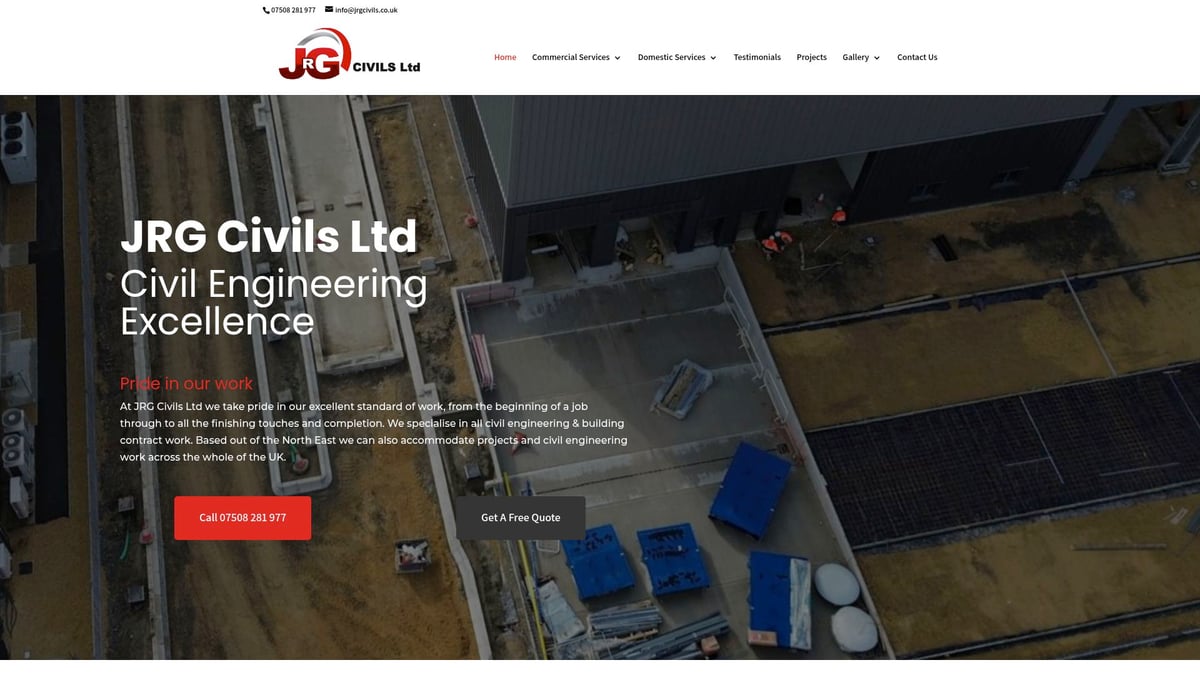
Accredited by leading industry bodies, JRG Civils Ltd ensures high standards of safety, quality, and compliance. Their Civil Engineering Services Overview details their comprehensive approach and commitment to tailored solutions. Clients benefit from free, no-obligation quotes and a client-focused service, with strong regional knowledge in the North East and capacity for projects nationwide.
Navigating the Regulatory and Planning Landscape
Navigating the regulatory and planning landscape is essential for the success of civil engineering design services in the UK. The framework is complex, shaped by evolving standards, sustainability mandates, and local authority requirements. Understanding these elements ensures projects progress smoothly and meet the expectations of clients and regulators.

Understanding Key UK Regulations and Standards
Civil engineering design services must comply with a dynamic set of UK regulations and standards. The Building Safety Act 2022 has reshaped responsibilities for safety, especially in higher-risk buildings. British Standards and Eurocodes are mandatory for technical compliance, while sector-specific guidance governs drainage, highways, and public realm works.
Planning permissions now require robust evidence of safety, sustainability, and resilience. For example, all new developments must achieve Net Zero Ready standards by 2025. Professional competency is also under scrutiny, highlighted by the recent ICE and IStructE launch HRB register, ensuring only qualified engineers can work on higher-risk projects.
Planning Application Process in 2025
The planning application process is central to civil engineering design services. It involves preparing detailed documentation, including site plans, environmental assessments, and design statements. Early engagement with local authorities, statutory consultees, and the public is crucial to address concerns and align with policy.
A typical major application requires a range of supporting documents and may take around 13 weeks for a decision, according to government data. Understanding submission requirements and common pitfalls, such as incomplete information or poor consultation, can help avoid delays and objections.
Environmental and Sustainability Requirements
Environmental and sustainability requirements have become integral to civil engineering design services. Biodiversity net gain, flood risk assessments, and carbon reduction are now standard considerations in planning submissions. Councils increasingly demand climate resilience measures, with 60 percent requiring these as part of the planning process.
Sustainable drainage systems (SuDS) and green infrastructure are essential for compliance and long-term asset performance. The latest Top civil engineering trends for 2025 highlight the growing importance of sustainability and digital transformation, reinforcing these requirements for future-ready projects.
Overcoming Regulatory Challenges
Proactive strategies are vital for overcoming regulatory challenges in civil engineering design services. Early engagement with stakeholders and regulatory bodies helps identify issues before they escalate. Digital tools streamline compliance, documentation, and reporting, improving transparency and speed.
Managing planning delays and appeals requires a flexible, informed approach. Early design engagement can reduce planning objections by up to 40 percent, ensuring smoother project delivery. Regular reviews and lessons learned from past projects support ongoing improvement and regulatory success.
Future Innovations and Technologies in Civil Engineering Design
The future of civil engineering design services is defined by rapid technological advancement and a strong push towards sustainability. As we move into 2025, innovations in digital modelling, construction materials, and smart infrastructure are transforming how projects are conceived, delivered, and maintained. Staying ahead of these trends is crucial for anyone involved in civil engineering design services.
Digital Transformation: BIM, GIS, and Data Analytics
Digital transformation is at the heart of modern civil engineering design services. Tools like BIM and GIS are now standard, enabling integrated design, clash detection, and advanced site analysis. Data analytics supports informed decisions, reducing errors and enhancing project outcomes. The adoption of BIM alone can cut design errors by 30 percent, making it a must-have for efficient delivery.
Research into Design for Sensing and Digitalisation (DSD) shows how embedding sensors and digital workflows is reshaping project monitoring and asset management. Civil engineering design services that leverage these technologies offer greater transparency, adaptability, and value throughout the project lifecycle.
Sustainable Materials and Construction Methods
Sustainability is no longer optional for civil engineering design services. Innovations in low-carbon concrete, recycled aggregates, and modular construction methods are now mainstream. These practices not only lower emissions but also accelerate project timelines and improve quality.
Offsite manufacturing and circular economy strategies are enabling civil engineering design services to reduce waste and resource consumption. For example, half of new UK projects now specify recycled materials, reflecting a broader industry commitment to sustainable outcomes.
Smart Infrastructure and IoT Integration
Smart infrastructure is redefining civil engineering design services by incorporating real-time data and automation. Sensors embedded in roads, bridges, and utilities provide continuous monitoring, enabling predictive maintenance and performance optimisation.
The integration of IoT technologies can reduce infrastructure maintenance costs by 20 percent. As highlighted in the latest Design for Sensing and Digitalisation (DSD) research, these advances allow civil engineering design services to deliver safer, more resilient, and future-ready assets.
Skills and Workforce of the Future
The evolution of civil engineering design services demands a highly skilled, multidisciplinary workforce. Engineers must continually upskill in digital tools, sustainability, and data-driven design. Addressing talent shortages and fostering diversity are key priorities.
Collaboration between industry and academia, as noted in Building and Civil Engineering Insights, is driving innovation and preparing the next generation for future challenges. By 2025, 40 percent of engineering firms plan to increase digital training, ensuring civil engineering design services remain at the forefront of industry transformation.