
Mastering civil construction building is crucial for project leaders aiming to succeed in 2025 and beyond. The landscape is rapidly evolving, with sustainability, digital transformation, and regulatory changes shaping every decision.
This guide offers a detailed, step-by-step approach to civil construction building, designed for both newcomers and experienced professionals. You will uncover industry trends, project planning essentials, compliance requirements, material selection, construction phases, and best practices for quality control.
With demand rising for efficient and sustainable projects, staying informed is your competitive edge. Follow this blueprint to ensure your civil construction building projects are resilient, compliant, and ready for the challenges ahead.
Understanding the 2025 Civil Construction Landscape
Navigating the civil construction building landscape in 2025 requires a clear understanding of industry shifts, regulatory demands, and client expectations. As the sector evolves, professionals must stay ahead of trends, embrace innovation, and manage new challenges to secure project success.

Key Industry Trends and Forecasts
The civil construction building sector in the UK is forecast to grow at a steady 3.5% CAGR through 2025, driven by increased investment in infrastructure, commercial, and public realm projects. Sustainability is now central, with green building practices and net-zero targets shaping project priorities.
Digital transformation is accelerating, as Building Information Modelling (BIM), automation, and AI become mainstream. Labour shortages remain a concern, prompting a focus on training and upskilling. The impact of Brexit and post-pandemic recovery continues to influence supply chains and project timelines.
For a detailed look at these trends, visit the UK construction industry trends 2025 report. Notably, the government’s £600bn infrastructure pipeline underlines the scale of opportunity for civil construction building professionals.
Regulatory and Environmental Shifts
In 2025, civil construction building projects must align with updated UK Building Regulations, which set stricter standards for energy efficiency and emissions. The introduction of the Future Homes Standard is transforming residential construction, requiring lower carbon footprints and improved sustainability.
Reforms to planning permission and local authority requirements demand earlier and more thorough compliance checks. Health and safety obligations have also tightened, with increased documentation and audit trails expected for every project.
Early adaptation to these changes is essential, ensuring that civil construction building remains viable and fully compliant. Staying informed about evolving regulations reduces risk and builds confidence with clients.
Evolving Client Expectations
Clients in civil construction building now expect faster project delivery, transparent cost structures, and environmentally responsible solutions. The shift towards digital project management tools and real-time communication has become standard.
Design-and-build contracts are on the rise, streamlining processes and placing greater emphasis on integrated teams. Clients increasingly seek sustainable, low-impact builds that align with their corporate and social values.
Meeting these expectations is crucial for repeat business and long-term partnerships. Proactive adaptation to client needs positions civil construction building firms as trusted, forward-thinking partners.
Technology and Innovation Drivers
Technology is rapidly transforming civil construction building. The adoption of BIM and digital twins streamlines design, coordination, and facility management. Prefabrication, modular construction, and 3D printing are reducing build times and improving quality.
Smart materials and IoT-enabled site management enhance efficiency and safety. For example, modular methods have demonstrated up to 30% faster completion on commercial projects.
Firms that embrace these innovations early gain a clear competitive edge in the civil construction building market, responding to both client demands and regulatory requirements.
Market Challenges and Opportunities
Civil construction building faces rising material costs, ongoing supply chain disruptions, and persistent labour shortages. Proactive recruitment and risk management are crucial to overcoming these hurdles.
Despite these challenges, opportunities abound in public sector and green infrastructure projects, such as HS2 and regional upgrades. Forward-thinking firms can capitalise by focusing on sustainability and resilience.
By anticipating risks and investing in workforce development, civil construction building companies can position themselves for success in 2025 and beyond.
Step-by-Step Civil Construction Building Process
Embarking on a successful civil construction building project in 2025 requires a clear, structured approach. By following each stage with precision, you can reduce risks, control costs, and deliver results that meet or exceed client expectations. Here is a comprehensive process, step by step.
1. Project Feasibility and Site Assessment
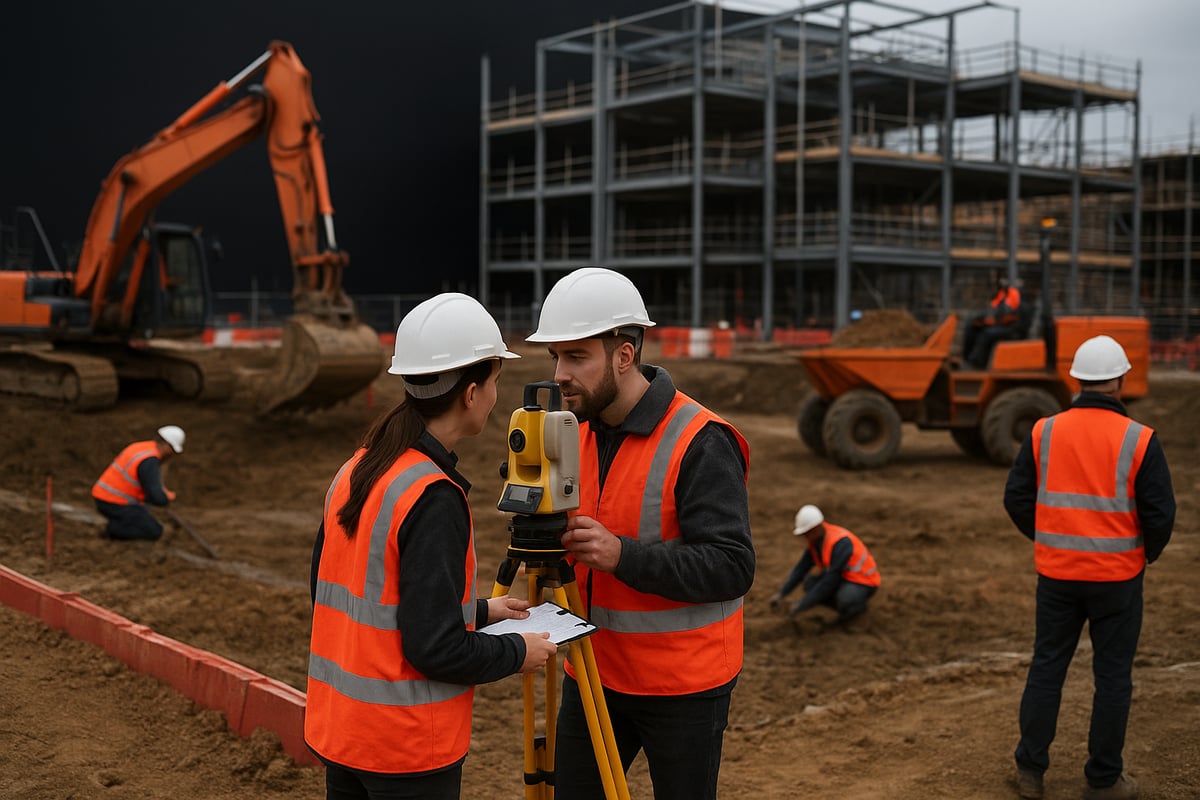
Every civil construction building journey begins with a thorough feasibility and site assessment. This stage involves initial site surveys, risk assessments, and environmental studies. Teams analyse soil conditions, drainage, and potential hazards, such as contamination or unstable ground.
Engaging stakeholders early is crucial. Their input can uncover local concerns and regulatory constraints. For example, identifying ground contamination in advance allows for remediation planning, preventing costly delays later.
Comprehensive diligence at this stage helps avoid unexpected challenges, ensuring the civil construction building project starts on a strong foundation.
2. Design and Planning
The next phase in civil construction building focuses on detailed design and planning. Collaboration between architects, engineers, and planners is essential to shape a vision that is both innovative and practical.
Building Information Modelling (BIM) is increasingly used for efficient design coordination, reducing errors and streamlining communication. Securing planning permissions and regulatory approvals is a priority, and digital submission platforms can speed up this process.
Thorough planning not only ensures smoother execution but also helps civil construction building teams anticipate issues before they arise, keeping projects on track.
3. Budgeting and Procurement
Accurate budgeting is at the heart of any civil construction building success. This involves preparing detailed cost estimates, factoring in contingencies for unexpected expenses, and setting transparent financial expectations.
Procurement decisions are equally important. Sourcing sustainable materials and selecting qualified contractors affects both cost and quality. Comparing procurement models—such as traditional tendering versus design-build—can reveal savings opportunities. For instance, buying materials in bulk often reduces costs, benefiting the project bottom line.
A transparent approach to budgeting and procurement builds trust within the civil construction building team and with clients.
4. Regulatory Compliance and Documentation
Navigating the regulatory landscape is a core part of civil construction building. This includes understanding UK Building Regulations, local bylaws, and industry standards.
Preparation of detailed health, safety, and environmental plans is mandatory. Maintaining thorough documentation, such as audit trails and compliance records, is crucial for legal protection. Early compliance checks can prevent project delays and costly penalties.
Effective documentation ensures that every aspect of the civil construction building process is traceable, auditable, and in line with best practices.
5. Site Preparation and Groundworks
Site preparation and groundworks are pivotal in civil construction building. Activities include clearing, grading, and securing the site, as well as installing temporary utilities and access points. Ground investigations and remediation work are carried out to address any issues identified during assessment.
Efficient site clearance helps accelerate the project timeline. For a deeper look at this phase, explore Groundworks and site preparation for detailed guidance on best practices.
Proper groundwork is the bedrock of civil construction building, ensuring the site is ready for the structural phase.
6. Structural Construction and Superstructure
This stage of civil construction building brings the project to life, with the erection of foundations, frames, and load-bearing elements. Incorporating prefabricated components can significantly speed up the build and improve quality.
Structural integrity checks are performed throughout, ensuring compliance with design and safety standards. For example, using modular frames can cut build times for commercial projects, supporting tight schedules.
The quality of work at this stage determines the durability and resilience of the civil construction building for years to come.
7. Finishing, Handover, and Post-Completion
The final phase in civil construction building covers internal and external finishes, snagging, and client handover. Digital snagging tools now allow teams to identify and resolve defects quickly, ensuring a smooth transition.
Comprehensive inspections and commissioning tests are completed before handover. Post-completion support, such as maintenance guidance and feedback collection, boosts client satisfaction and encourages future collaboration.
A seamless finish and handover process are essential for the enduring success of any civil construction building project.
Materials, Technology, and Sustainability in Modern Construction
Civil construction building in 2025 demands a smart balance of advanced materials, innovative technology, and unwavering commitment to sustainability. The sector is evolving rapidly, and those who embrace these changes will deliver safer, greener, and more efficient projects.
Sustainable Building Materials and Methods
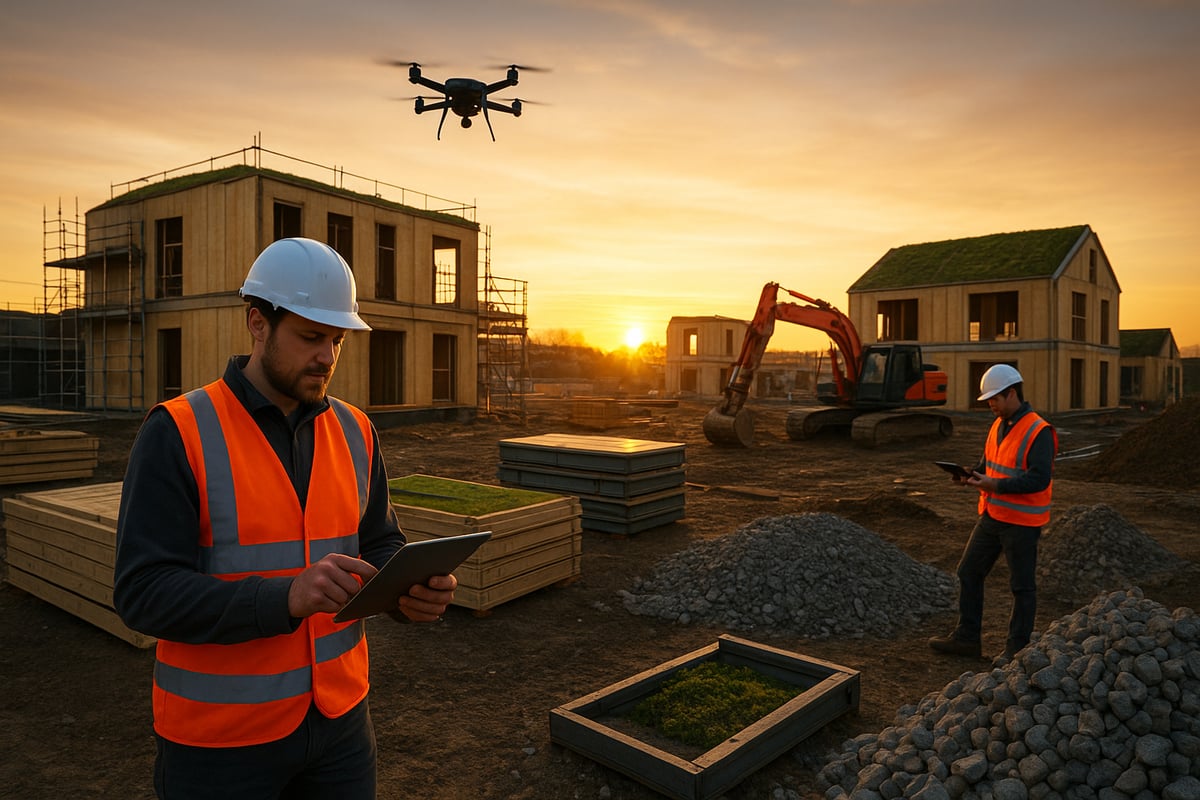
Sustainability sits at the heart of modern civil construction building, shaping both material selection and construction methods. Today’s projects increasingly use recycled aggregates, low-carbon concrete, and responsibly sourced timber to reduce environmental impact.
Green roofs, permeable paving, and rainwater harvesting systems are not only beneficial for the environment but also help meet stricter planning requirements. For example, using eco-materials has enabled some sites to cut carbon emissions by 40 percent, aligning with both client and regulatory expectations.
By prioritising these sustainable practices, civil construction building teams can future-proof their projects and respond to growing demand for greener solutions.
Smart Construction Technologies
Technology is transforming civil construction building, driving efficiency and safety across every phase. Building Information Modelling (BIM) now underpins design, planning, and facility management, streamlining collaboration and reducing errors.
Drones have become essential for site surveys and progress monitoring, cutting survey times by up to 60 percent. Wearable technology boosts onsite safety and productivity, offering real-time data on worker locations and site conditions.
Staying updated on digital transformation trends is vital. The 2025 UK construction trends report highlights the growing impact of digital tools and automation in civil construction building, making early adoption a clear advantage.
Prefabrication and Modular Construction
Prefabrication and modular construction methods are redefining civil construction building by offering faster, cleaner, and more controlled project delivery. Offsite manufacturing reduces waste and ensures higher quality standards, as components are built under optimal conditions.
Schools and healthcare facilities, for instance, are now completed up to 50 percent faster using modular systems. This approach is especially effective for projects with tight deadlines or urban restrictions, where disruption must be minimised.
By integrating modular construction, civil construction building professionals can meet client expectations for speed, quality, and sustainability, all while improving their competitive edge.
Digital Project Management Tools
Effective project management is essential for civil construction building success. Cloud-based platforms like Procore and Autodesk enable real-time communication, document sharing, and collaboration among teams, regardless of location.
Digital tools help reduce delays by up to 20 percent, thanks to streamlined workflows and instant access to critical information. These platforms also provide transparency for clients, keeping everyone informed at each stage.
As projects grow more complex, civil construction building teams rely on digital management systems to maintain control, improve accountability, and deliver on time.
Environmental Impact and Compliance
Meeting environmental standards is a core responsibility in civil construction building. Achieving BREEAM or LEED certification demonstrates commitment to sustainability and can boost a project’s reputation.
Monitoring site emissions and managing waste are now standard practice, driven by both regulations and client priorities. Public sector projects often require a BREEAM Excellent rating, pushing teams to adopt best-in-class methods.
Prioritising environmental compliance not only reduces legal and reputational risks but also ensures civil construction building projects are future-ready and respected within the industry.
Risk Management, Quality Control, and Safety
Effective risk management, rigorous quality control, and a relentless focus on safety are the cornerstones of successful civil construction building projects. These pillars not only protect your investment but also ensure projects are delivered on time, to specification, and with minimal disruption.
Identifying and Mitigating Construction Risks
Civil construction building projects face a wide range of risks, from unpredictable weather to fluctuating material prices and site-specific hazards. Identifying these risks early is vital for maintaining budgets and schedules.
Common risks include:
- Extreme weather events impacting site operations
- Supply chain delays or shortages
- Financial uncertainties and cost overruns
- Health and safety incidents
A robust risk assessment process, including contingency planning and regular reviews, is essential. For example, setting aside contingency budgets helps absorb material price spikes, while early identification of site hazards can prevent costly incidents. Proactive risk management is the best defence against project setbacks in civil construction building.
Quality Assurance and Control Procedures
High standards of quality are non-negotiable in civil construction building. Establishing clear benchmarks and inspection schedules ensures every phase meets the required specifications.
Quality assurance involves:
- Setting measurable quality targets at the outset
- Independent testing of materials and workmanship
- Regular site inspections and audits
Many successful projects rely on third-party inspections to reduce defects, enhancing client confidence. For further detail on real-world applications of quality control, see this Building and civil engineering projects resource. Consistent quality control efforts prevent costly rework and uphold the reputation of your civil construction building business.
Health, Safety, and Welfare on Site
A safe site is a productive site. In civil construction building, compliance with the UK Health & Safety at Work Act is mandatory, and fostering a culture of safety is equally important.
Key health and safety measures include:
- Comprehensive training for all site personnel
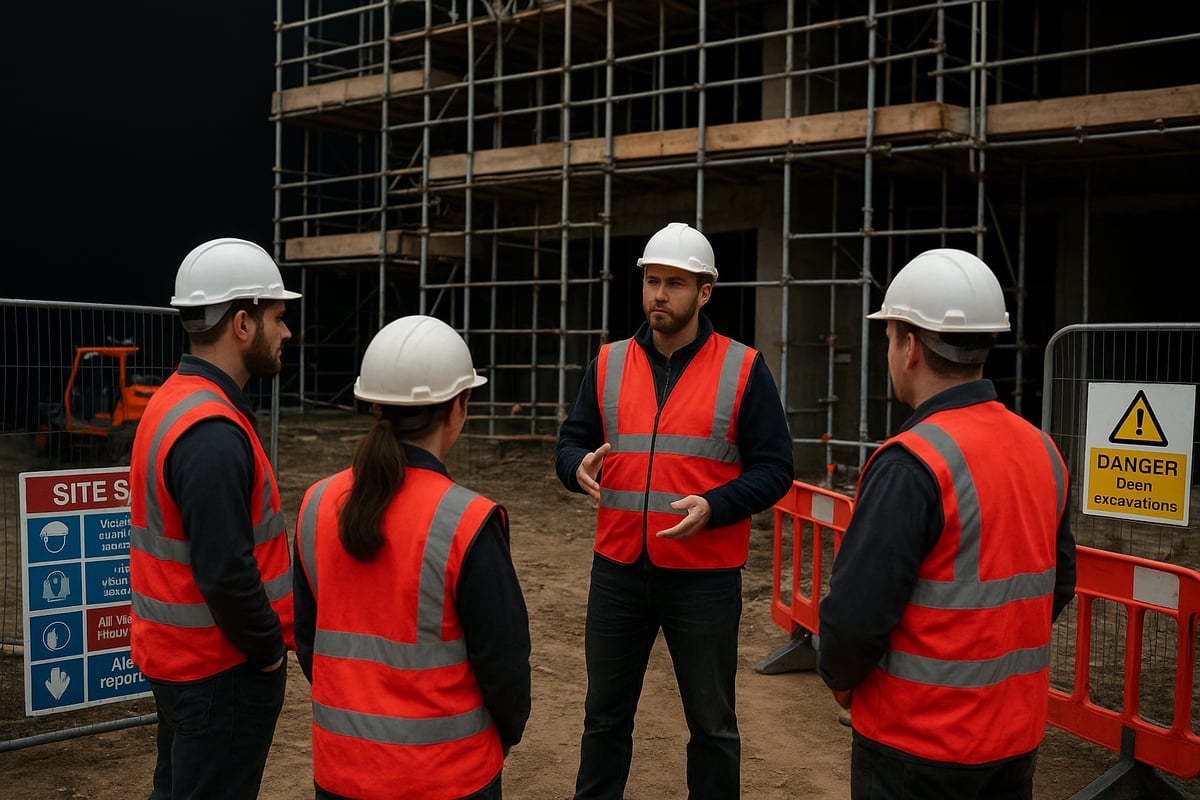
- Proper use of PPE (personal protective equipment)
- Routine safety briefings and hazard identification
Safety briefings have been shown to reduce on-site incidents by up to 30 percent. Encouraging open communication about hazards and near misses leads to continuous improvement. Prioritising welfare on site demonstrates a duty of care and supports project efficiency in civil construction building.
Legal and Contractual Safeguards
Legal clarity is crucial in civil construction building to avoid disputes and delays. Every contract must clearly outline obligations, liabilities, and dispute resolution procedures.
Important legal safeguards:
- Detailed contracts specifying deliverables and timelines
- Adequate insurance coverage for all parties
- Early legal reviews to identify potential issues
Ensuring everyone understands their responsibilities greatly reduces the risk of costly legal battles. Early attention to contracts and compliance not only protects your interests but also builds trust with clients and partners in civil construction building.
Continuous Improvement and Post-Project Review
The competitive landscape of civil construction building demands ongoing learning and adaptation. Post-project reviews are essential for capturing lessons learned and driving future success.
Continuous improvement steps:
- Conducting structured feedback sessions with project teams
- Analysing project outcomes against initial objectives
- Implementing process improvements on subsequent builds
For example, lessons-learned reviews have led to enhanced team performance and more efficient processes on future projects. By embedding a culture of improvement, your civil construction building projects remain resilient and future-ready.
Working with Professional Civil Construction Partners
Choosing the right partners is fundamental to the success of any civil construction building project. The calibre of your contractors and consultants will directly impact delivery, quality, and overall project outcomes.
A professional partner brings not only technical expertise but also the ability to navigate complex regulations and adapt to changing project needs. By prioritising experience, proven track records, and clear communication, you set your project up for success from the outset.
Selecting the Right Contractors and Consultants
When embarking on a civil construction building project, selecting partners with relevant experience and strong accreditations is vital. Assess potential contractors’ portfolios and request references that demonstrate capability on projects similar in scale and complexity to yours.
Look for firms with a history of successful delivery in your sector, whether it is highways, public realm, or commercial developments. Evaluate their knowledge of local regulations and their approach to risk management. For a comprehensive understanding of service offerings, review overviews such as the Civil engineering services overview.
Choosing the right team ensures your civil construction building project is managed efficiently and finished to specification.
Collaboration and Communication Best Practices
Effective collaboration is the bedrock of civil construction building success. Clear communication protocols, including regular progress meetings and transparent reporting, reduce misunderstandings and delays.
Establish expectations early, defining roles, responsibilities, and information-sharing platforms. Digital tools, such as cloud-based project management systems, help keep teams aligned and documentation accessible. Weekly site meetings and daily updates foster a culture of accountability.
By prioritising open dialogue, you create an environment where challenges are addressed quickly and your civil construction building objectives are met on schedule.
Importance of Accreditations and Compliance
In civil construction building, accreditations demonstrate a partner’s commitment to industry standards and regulatory compliance. Look for credentials such as SafeContractor, ConstructionLine Gold, SSIP, UKAS, and SMAS.
These certifications confirm that contractors adhere to best practices in health and safety, quality management, and environmental responsibility. Accredited partners are less likely to encounter compliance issues or regulatory delays.
Selecting accredited professionals for your civil construction building projects mitigates risk and assures clients of your team's professionalism.
Partnering with JRG Civils Ltd for UK Civil Construction Excellence
JRG Civils Ltd stands out in the civil construction building sector, offering expertise across a wide range of commercial and domestic projects. Based in the North East and operating UK-wide, the company delivers services including drainage, highways, surfacing, and bespoke garden design.
JRG Civils Ltd’s impressive client list features well-known franchises and private clients, reflecting versatility and reliability. The team holds leading accreditations and is committed to providing free, no-obligation quotes, end-to-end project management, and high client satisfaction.
By partnering with JRG Civils Ltd, you benefit from their proven track record in delivering civil construction building projects on time and to the highest standards.
Future-Proofing Your Civil Construction Projects
Civil construction building in the UK is rapidly evolving, making future-proofing essential for long-term project success. By staying ahead of trends, integrating innovation, and focusing on adaptability, your projects can remain resilient and competitive. Let’s explore the strategies that will set your civil construction building projects apart in 2025 and beyond.
Embracing Innovation for Competitive Advantage
Innovation is the cornerstone of future-ready civil construction building. Embracing new technologies such as AI-driven project management, robotics, and digital twins gives companies a real edge. Early adoption of these advancements streamlines processes, reduces errors, and enhances productivity.
For example, integrating AI-powered scheduling tools helps predict delays and optimise resource allocation. Modular construction methods shorten timelines and minimise waste, while digital collaboration platforms improve communication across all stakeholders. By embedding innovation at every stage, your civil construction building projects will stand out in a competitive market.
Building for Longevity and Adaptability
Designing civil construction building projects with longevity in mind is essential for delivering value. Adaptable infrastructure can accommodate future changes, whether in usage patterns, technology requirements, or regulatory standards.
Consider flexible layouts that support potential expansions, or infrastructure adaptable for mixed-use developments. For instance, urban regeneration schemes increasingly demand versatile spaces that meet evolving community needs. Building with adaptability ensures your civil construction building projects remain relevant and cost-effective as expectations shift.
Investing in Workforce Development and Skills
A skilled workforce is vital for successful civil construction building. Investing in continuous training ensures your team is proficient with the latest digital tools, sustainable materials, and health and safety protocols.
Apprenticeship programmes and ongoing professional development help address skills shortages and promote innovation. When your team is well-trained, they deliver safer, higher-quality results. Fostering a culture of learning and adaptability keeps your civil construction building business ahead of industry changes and client expectations.
Monitoring Trends and Regulatory Changes
Staying informed about industry trends and regulatory updates is crucial for future-proofing civil construction building projects. Regularly reviewing market reports and government policy changes helps you anticipate risks and seize new opportunities.
For the latest forecasts and strategic recommendations, consult resources like the UK construction market forecast Q4 2025, which provides valuable insights into growth projections and emerging challenges. By making continuous learning part of your strategy, your civil construction building operations will remain compliant and resilient, whatever the future holds.