
The UK’s built environment is transforming at a remarkable pace. Are you prepared to navigate the future of building and civil engineering in 2025? This essential guide offers clarity on the trends, standards, and innovations shaping the industry, helping both seasoned professionals and newcomers succeed.
Discover the sector’s vital role in developing resilient, sustainable cities, with top UK institutions leading the way. Uncover actionable insights on disciplines, regulations, sustainability, technology, careers, and challenges. Use this guide as your roadmap to excel in building and civil engineering over the coming year.
Understanding Building and Civil Engineering Fundamentals
The field of building and civil engineering forms the backbone of the UK’s built environment, shaping everything from homes and schools to roads, bridges, and vital infrastructure. Understanding the fundamentals is essential for anyone seeking to thrive in this dynamic sector. Let’s break down the essentials that define this industry, the roles it encompasses, and the standards that set it apart.

Defining Building and Civil Engineering
Building and civil engineering are closely related yet distinct disciplines. Building construction typically focuses on residential, commercial, and public buildings, ensuring they are safe, functional, and aesthetically pleasing. Civil engineering, on the other hand, encompasses large-scale infrastructure projects such as transport networks, water management systems, and urban development.
Both areas play a pivotal role in shaping society, enhancing quality of life, and driving sustainable growth. Leading UK institutions integrate these disciplines to foster a holistic approach, preparing graduates to address complex challenges. According to the Guardian 2026, UK civil engineering ranks in the top 10 nationally, reflecting the sector’s excellence and impact. For a comprehensive overview of sector fundamentals, explore this civil engineering services overview.
Key Disciplines and Roles
The building and civil engineering sector is comprised of several core disciplines:
| Discipline | Typical Role | Key Responsibilities |
|---|---|---|
| Architectural Engineering | Architect | Design, planning, compliance |
| Construction Management | Site Manager | Project delivery, safety, quality |
| Urban Planning | Planner | Land use, development, policy |
| Quantity Surveying | Quantity Surveyor | Cost control, procurement |
Collaboration is essential. Successful project delivery relies on the seamless integration of these disciplines, with teams working together from concept to completion. This multidisciplinary approach is a hallmark of UK education and professional practice in building and civil engineering.
Core Skills and Competencies
To excel in building and civil engineering, a diverse skill set is vital. Teamwork stands at the forefront, as professionals must coordinate with colleagues from various backgrounds. Problem-solving and technical expertise are equally important, allowing practitioners to overcome site challenges and deliver innovative solutions.
Effective communication underpins every stage of a project, from design meetings to client updates. Industry-led projects and hands-on experience are central to developing these competencies. Initiatives such as Cross School Design Week highlight the value of cross-disciplinary teamwork, a key strength for those entering the field.
Industry Standards and Accreditation
Adhering to industry standards is crucial for maintaining professionalism and ensuring quality outcomes in building and civil engineering. Professional bodies such as RIBA (Royal Institute of British Architects), RICS (Royal Institution of Chartered Surveyors), CIOB (Chartered Institute of Building), ICE (Institution of Civil Engineers), and RTPI (Royal Town Planning Institute) set rigorous benchmarks for accredited courses and chartership.
Studying on an accredited course enhances career prospects and paves the way for professional recognition. The UK’s “Gold” rating for student experience and outcomes, as recognised by the Teaching Excellence Framework 2023, underscores the sector’s commitment to excellence.
Example: Integrated Learning in Practice
Loughborough University exemplifies integrated learning in building and civil engineering. Students from architecture, building, and civil engineering programmes work together on real-world challenges, simulating professional project teams.
Industry placements and collaborative projects are key, providing practical experience that bridges academic theory and workplace demands. Notably, Loughborough was ranked 1st in the UK for Graduate Prospects in Building by the Complete University Guide 2026, highlighting the effectiveness of this approach in preparing graduates for successful careers.
Regulatory Landscape and Compliance in 2025
Staying ahead in building and civil engineering requires a thorough understanding of the UK's evolving regulatory environment. In 2025, compliance is more than a box-ticking exercise; it is the foundation for safe, sustainable, and high-performing projects. The sector is shaped by new legislation, higher standards, and a growing demand for transparency.
Evolving UK Regulations and Building Codes
The regulatory framework for building and civil engineering has undergone significant changes in recent years. The post-Grenfell era has prioritised safety, with stricter fire protection and cladding rules. Updates to Approved Documents focus on accessibility and environmental performance, ensuring new developments are safer and more inclusive.
Legislation now places greater emphasis on energy efficiency and carbon reduction. For those working in building and civil engineering, staying informed about these UK construction industry trends 2025 is essential for compliance and competitive advantage. The push for digital records and traceability further supports a culture of accountability across the industry.
Accreditation and Professional Standards
Achieving professional status in building and civil engineering involves a clear pathway. Graduates typically join bodies such as RIBA, CIOB, or ICE, which set the benchmarks for competence and ethics. Gaining chartered status requires accredited academic qualifications, industry experience, and successful completion of a professional review.
Continuing Professional Development (CPD) is mandatory, ensuring that professionals remain up to date with evolving standards and technology. Certifications and memberships not only boost employability but also open doors to leadership roles within building and civil engineering.
| Professional Body | Typical Route | Key Accreditation |
|---|---|---|
| RIBA | Architecture | Chartered Architect |
| CIOB | Construction | Chartered Builder |
| ICE | Engineering | Chartered Engineer |
Health, Safety, and Risk Management
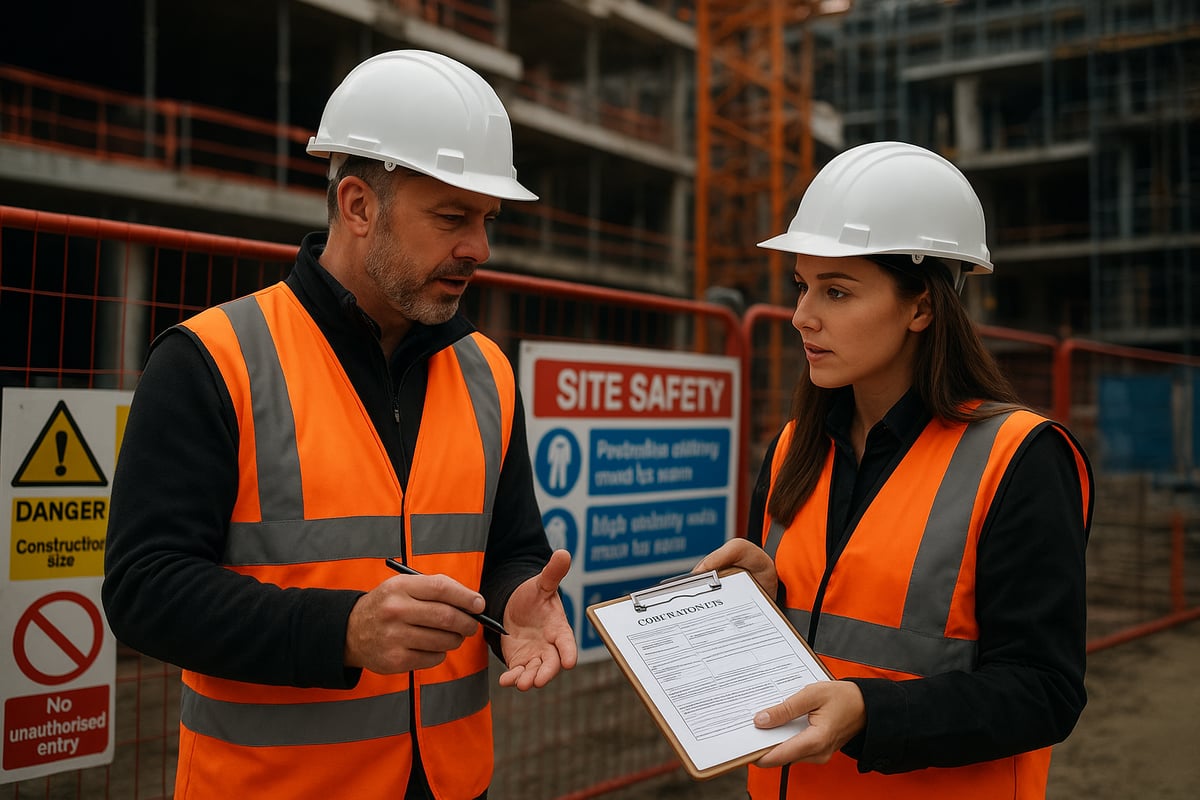
Health and safety remain a core concern in building and civil engineering. The Construction (Design and Management) Regulations 2015 (CDM) set out legal duties for all parties involved, from designers to contractors. Risk assessments are a must, and robust mitigation plans reduce incidents on site.
Recent years have seen industry-wide improvements in safety performance, with reported accidents and near-misses steadily declining. Engaging with the latest guidance and embedding a safety-first culture is vital for every building and civil engineering project.
Sustainability and Environmental Compliance
Sustainability is now central to compliance in building and civil engineering. Standards such as BREEAM, Passivhaus, and LEED guide the use of sustainable materials, energy efficiency, and low-carbon design. Planners and engineers must consider the entire lifecycle of buildings, from construction to operation.
A recent example is Loughborough’s Passivhaus development, which demonstrates how rigorous standards can deliver both environmental and occupant benefits. Meeting these benchmarks is increasingly a requirement in public and private sector projects and signals a commitment to responsible building and civil engineering.
Example: Navigating Accreditation
For graduates entering building and civil engineering, the path to chartered status is structured and rewarding. After completing an accredited degree, individuals undertake a period of supervised professional experience, often known as Initial Professional Development (IPD). They then submit a portfolio and attend an interview or assessment.
The benefits are clear: chartered professionals enjoy higher salaries, increased employability, and global recognition. The UK leads in building and civil engineering accreditation, with top rankings for graduate outcomes and professional success.
Sustainable Construction and Innovation
Sustainable construction is now at the heart of building and civil engineering. As the industry shifts towards a net-zero future, professionals must embrace new standards, materials, and technologies. The following sections explore how innovation drives sustainability, from green certifications to digital transformation.

Green Building Standards and Certifications
Across the UK, green building standards like BREEAM, LEED, and Passivhaus are now central to building and civil engineering projects. These benchmarks ensure that new developments are energy efficient, environmentally responsible, and healthy for occupants.
Universities are leading the way by embedding these standards into their curriculums and research. The growing adoption of certifications benefits both investors and communities, raising project value and quality of life. For a closer look at how these standards and sustainability trends are shaping the sector, see this analysis of UK construction industry trends 2025.
Materials and Resource Efficiency
The demand for low-carbon materials is transforming building and civil engineering. Recycled aggregates, cross-laminated timber, and low-carbon concrete are now widely used to reduce environmental impact.
Digital fabrication techniques, including 3D printing, help minimise waste and optimise resources. UK university labs are at the forefront, with projects demonstrating how innovative materials and processes can deliver robust, sustainable structures.
Energy Performance and Smart Technologies
Energy performance is a major focus in building and civil engineering. Smart building systems monitor and optimise energy use, helping projects meet stringent UK targets for net-zero carbon by 2050.
Building Information Modelling (BIM) enables teams to design, simulate, and manage buildings efficiently across their lifecycle. These technologies support both cost savings and improved sustainability outcomes.
Water and Waste Management Innovations
Effective water and waste management is crucial in building and civil engineering. Advanced water systems and sustainable drainage solutions reduce environmental risks and support climate resilience.
Circular economy principles are now guiding waste management, encouraging reuse and recycling on construction sites. Projects like the National Slope Simulator highlight innovative ways to address complex environmental challenges.
Digital Transformation in Construction
Digital transformation is revolutionising building and civil engineering. Digital twins, AR/VR, and robotics are now standard tools for design, visualisation, and construction.
These advances deliver greater accuracy, faster project delivery, and improved safety. Industry partnerships help develop digital skills, ensuring that professionals are ready for the evolving demands of the sector.
Example: University-Industry Collaboration for Sustainability
Collaboration between universities and industry is driving real progress in sustainable building and civil engineering. A recent project saw students and experts work together on a Passivhaus pavilion, gaining hands-on experience with low-energy design.
Investment in high-tech equipment, such as 3D printers and robotics, supports these efforts. Such collaborations not only enhance learning but also deliver real-world impact for local communities.
The Construction Process: Step-by-Step Guide
Navigating the construction process in building and civil engineering requires a clear, structured approach. From initial planning to long-term maintenance, each stage demands expertise, collaboration, and an unwavering focus on quality and compliance.
Below, we break down each critical step to help you deliver successful projects in 2025.

Step 1: Project Planning and Feasibility
Every building and civil engineering project begins with rigorous planning and feasibility analysis. This step includes site assessments, stakeholder consultations, and financial evaluations to determine project viability.
Early sustainability reviews are crucial, ensuring designs align with environmental standards from the outset. Risk analysis at this stage helps identify potential challenges and sets realistic expectations.
Industry placements often expose students to real-world planning scenarios, sharpening their understanding of feasibility in building and civil engineering projects.
Step 2: Design and Specification
The design phase in building and civil engineering unites architects, engineers, and planners to transform concepts into detailed plans. Collaboration is essential, as each discipline contributes unique expertise.
Digital tools, especially Building Information Modelling (BIM), enhance integration and accuracy. Designs are refined to comply with evolving UK regulations and client requirements.
Innovative materials and energy-efficient systems are specified, reinforcing the commitment to high standards in building and civil engineering.
Step 3: Procurement and Contracting
Procurement is a pivotal phase in building and civil engineering, determining how resources, contractors, and suppliers are engaged. Common routes include traditional, design and build, and management contracting.
Quantity surveyors play a key role in cost planning, tendering, and value engineering. Transparency and robust contract management are critical to mitigate risks.
Competitive procurement ensures the best value, while aligning with regulatory and ethical standards in building and civil engineering.
Step 4: Construction and Site Management
On-site activity is where building and civil engineering plans become reality. Site setup, safety induction, and quality control are prioritised from day one.
Modern construction methods such as prefabrication and digital monitoring boost efficiency and reduce waste. As seen in large-scale projects like Costa Coffee and Greggs drive-throughs, these practices drive timely, cost-effective delivery.
Discover more about sector-specific practices in construction engineering best practices, which can further enhance your understanding of this critical phase in building and civil engineering.
Step 5: Commissioning and Handover
Commissioning ensures all systems in a building and civil engineering project function as intended. This includes rigorous testing, regulatory sign-offs, and comprehensive client training.
Accurate digital records and detailed documentation are essential for compliance and future maintenance. Post-occupancy evaluations gather feedback, driving continuous improvement and sustainability.
A smooth handover process maximises long-term value and client satisfaction in building and civil engineering.
Step 6: Maintenance and Lifecycle Management
Effective maintenance underpins the longevity of building and civil engineering assets. Planned inspections, asset management, and sustainability monitoring are standard practice.
Smart sensors and data analytics enable proactive detection of issues, minimising downtime and costs. Adhering to best practices extends the lifespan of structures and ensures ongoing performance.
Lifecycle management is increasingly central to responsible building and civil engineering.
Example: Multi-Disciplinary Project Delivery
Integrated teams are at the heart of successful building and civil engineering delivery. For example, university-industry collaborations bring together architects, engineers, and construction managers to solve real-world challenges.
A recent project involved students and professionals working jointly on a commercial development, using digital tools and sustainable design principles. The outcome was improved delivery speed, enhanced innovation, and higher client satisfaction.
Such experiences exemplify the benefits of hands-on, multi-disciplinary collaboration in building and civil engineering.
Careers, Skills, and Future Opportunities
The future of building and civil engineering is full of promise for those ready to invest in their careers. Whether you are a student, graduate, or experienced professional, this sector offers diverse opportunities for learning, advancement, and impact. Let us explore the education pathways, essential skills, work experience, professional development, new roles, and a typical career journey within the field.
Education Pathways and Qualifications
Starting a career in building and civil engineering requires a solid educational foundation. In the UK, you can choose from undergraduate degrees in civil engineering, architecture, or construction management, as well as postgraduate courses for advanced specialisation. Apprenticeships are increasingly popular, offering paid, hands-on experience alongside study.
Accredited courses are essential for future success. These programmes meet rigorous standards set by professional bodies and pave the way for chartership. The UK boasts top global rankings for architecture and civil engineering education, reflecting the sector’s commitment to excellence. Choosing the right pathway depends on your goals, interests, and preferred learning style.
Essential Skills for 2025 and Beyond
Success in building and civil engineering depends on a blend of technical and soft skills. Digital literacy is now vital, with professionals expected to use BIM, data analytics, and smart technologies daily. Sustainability expertise is in high demand as the industry moves toward net-zero targets.
Leadership and adaptability are crucial, especially as projects become more complex and collaborative. Employers increasingly value graduates who can work across disciplines and embrace change. According to industry feedback, graduates with strong communication, problem-solving, and teamwork abilities are the most sought after.
Industry Placements and Work Experience
Industry placements are a game-changer in building and civil engineering education. A year-long placement or internship provides real-world insights, builds confidence, and enhances employability. Many UK universities offer sandwich courses, enabling students to gain valuable site and office experience before graduation.
Placements often lead to additional qualifications, such as the Diploma in Industrial Studies (DIS) or Diploma in International Studies (DIntS). Student testimonials highlight the importance of these experiences for developing practical skills and professional networks. Employers frequently note that placement graduates are better prepared for industry challenges.
Professional Development and Chartership
Ongoing professional development is a cornerstone of a successful building and civil engineering career. Achieving chartered status through RICS, ICE, CIOB, or RIBA demonstrates commitment and expertise. The process involves accredited education, relevant work experience, and passing professional reviews.
Continuing professional development (CPD) ensures that skills remain current as technology and standards evolve. Chartership opens doors to leadership roles, higher salaries, and broader responsibilities. For more details on career progression and the steps to professional recognition, see Careers in civil engineering.
Emerging Roles and Sector Growth
The building and civil engineering sector is rapidly evolving, with new roles emerging to meet industry demands. Sustainability consultants, BIM managers, and digital construction leads are now integral to many projects. The sector is experiencing robust growth, driven by infrastructure investment and a focus on green building.
However, skills shortages remain a challenge, especially in digital and environmental specialisms. Recent statistics show that the UK leads in graduate employment rates, with building and civil engineering graduates topping the charts for job prospects. Adapting to ongoing change is key to long-term success in this dynamic field.
Example: Career Progression in Civil Engineering
A typical career in building and civil engineering may begin with a graduate role on-site or in design. Early exposure to real-world projects, such as infrastructure upgrades or sustainable developments, builds essential skills. With experience, professionals can move into project management, technical leadership, or consultancy.
Employers value those who learn continuously and contribute to innovation. Testimonials from sector leaders underline how structured career progression, combined with hands-on experience, leads to rewarding outcomes. Each step forward opens new opportunities for impact, growth, and recognition within this vital UK sector.
Facilities, Technology, and Research Excellence
Modern facilities are transforming the way building and civil engineering is taught and practised across the UK. Investment in cutting-edge laboratories and digital tools provides students and professionals with the skills needed for tomorrow’s industry. Let’s explore how these resources shape learning, research, and career success.
State-of-the-Art Learning Environments
Universities across the UK are investing millions in facilities dedicated to building and civil engineering. Students have access to 3D concrete printing labs, digital fabrication suites, heavy structures testing spaces, and advanced geotechnics equipment.
These environments offer hands-on learning with high-tech machinery that mirrors real-world industry settings. For example, over £1 million has been committed to upgrading robotics and digital fabrication labs, ensuring learners develop practical expertise.
Such spaces foster creativity and technical mastery, enabling students to experiment, test, and innovate. This approach ensures graduates are ready to excel in building and civil engineering roles from day one.
Research and Innovation Hubs
Research centres within universities drive advances in building and civil engineering by tackling industry challenges and pushing the boundaries of knowledge. Facilities like the National Facility for Infrastructure Construction enable large-scale testing and applied research.
Collaboration with leading companies ensures research remains relevant and impactful. These partnerships support knowledge transfer, helping to accelerate innovation and address sector needs. For an overview of the sector’s innovation trends and opportunities, see UK construction industry trends 2025.
By connecting academic expertise with industry priorities, research hubs play a vital role in advancing building and civil engineering practices.
Digital and Virtual Learning Tools
Digital technology is transforming education in building and civil engineering. Students now use AR and VR to visualise structures, digital twins to simulate building performance, and online platforms for collaborative project work.
These tools enhance engagement and provide hands-on experience with the latest industry software. Blended and remote learning options ensure flexibility, making it easier to develop technical and teamwork skills.
By integrating digital tools into the curriculum, universities prepare graduates for the evolving demands of building and civil engineering careers.
Industry Collaboration and Placement Opportunities
Strong links between universities and industry are central to building and civil engineering education. Students benefit from placements at top firms, collaborative research projects, and live industry briefs.
Industry placements provide real-world experience, helping students apply their skills and build professional networks. Collaborative projects encourage innovation and expose learners to the latest sector developments.
This close partnership enhances employability and ensures graduates are ready to meet the challenges facing building and civil engineering in the UK.
Example: Impact of Facilities on Student Outcomes
Outstanding facilities make a measurable difference in student success. The UK is ranked 3rd for university facilities (Whatuni Awards 2025), reflecting the quality and investment in learning environments.
Students frequently cite access to advanced labs and technology as key to their development. Case studies show that graduates from institutions with top-tier facilities achieve higher employment rates and excel in building and civil engineering roles.
Testimonials highlight how modern resources foster confidence, technical skill, and innovation, setting graduates apart in a competitive sector.