
Civil work forms the foundation of our modern world, shaping the roads we travel, the water we drink, and the cities we call home. This essential guide delivers a clear, up-to-date overview of civil work in 2025, covering everything from definitions and project types to regulations, best practices, and emerging trends. Whether you are a stakeholder, professional, or simply curious about the industry, this resource is designed to help you understand the processes and innovations driving the sector. Use this guide to stay informed and prepared for the future of infrastructure.
What is Civil Work? Definitions, Scope, and Importance
Civil work is the foundation of our built environment, yet its meaning is often misunderstood. Understanding civil work is essential for professionals, stakeholders, and the wider public, as it underpins the systems and spaces we use every day.
Defining Civil Work
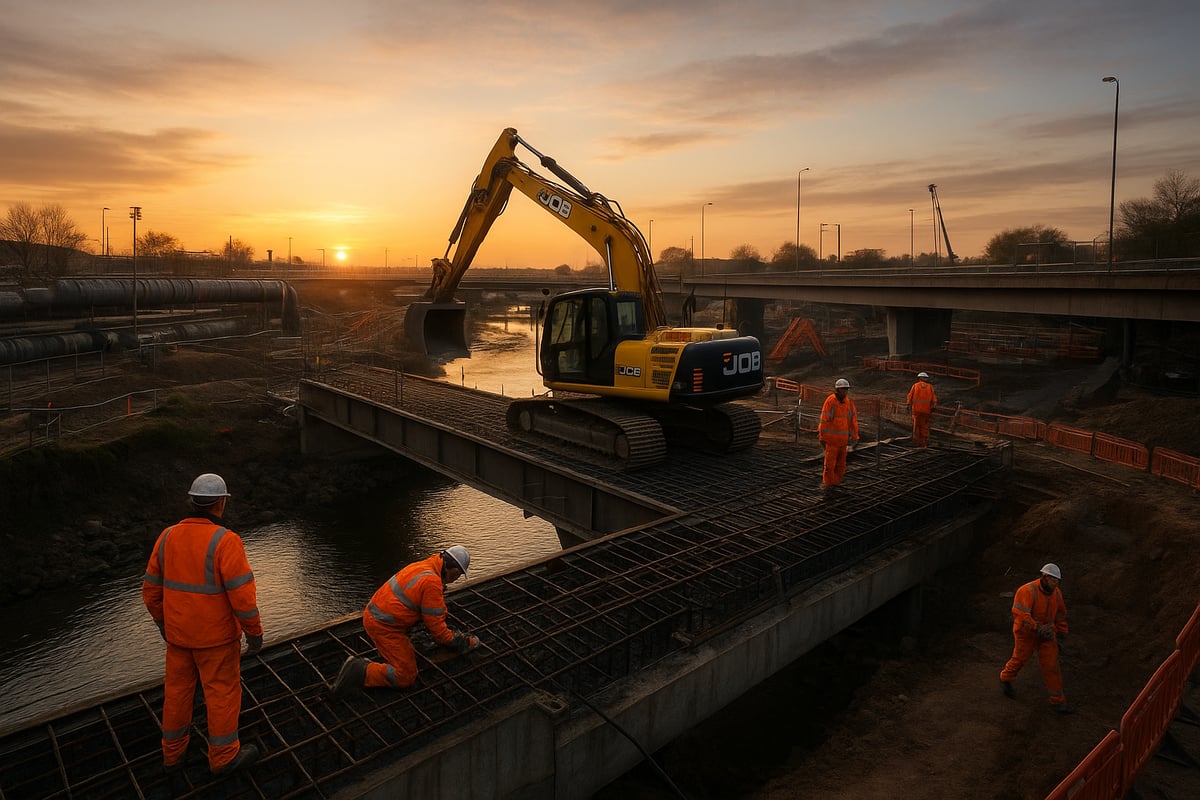
Civil work is typically defined in legal contracts and industry standards as the construction, maintenance, repair, or replacement of physical infrastructure. This includes a wide range of assets such as highways, bridges, water supply systems, drainage networks, and public spaces. Civil work forms the backbone of essential services, enabling everything from daily commutes to clean water delivery.
The scope of civil work is broad. Key tasks include earthworks, site grading, demolition, fencing, duct installation, and the creation of foundations. These activities are governed by strict regulatory and contractual standards, ensuring that quality, safety, and durability are maintained throughout every project.
It is important to distinguish between civil work and civil engineering. Civil engineering refers to the professional discipline responsible for designing, planning, and overseeing projects, while civil work is the hands-on execution of those plans.
| Aspect | Civil Work (Execution) | Civil Engineering (Discipline) |
|---|---|---|
| Main focus | Construction and implementation | Planning and design |
| Typical activities | Earthworks, surfacing, repairs | Structural analysis, calculations |
| Required expertise | Skilled trades, operators | Chartered engineers, designers |
According to market-standard definitions, civil work is crucial in supporting urbanisation and economic growth. The sector is a significant contributor to the UK economy, with the civil engineering industry adding billions to GDP each year. For more detail on the range of services and definitions in this field, see the Civil Engineering Services Overview.
The Role of Civil Work in Society
The impact of civil work on society cannot be overstated. It is central to public safety, mobility, and overall quality of life. Well-designed and maintained road networks allow efficient transport, while robust flood defences protect communities from natural disasters. Public parks and urban green spaces, developed through civil work, offer vital areas for recreation and wellbeing.
Civil work also extends to utility systems such as water supply, drainage, and electricity distribution. Each of these plays a pivotal role in supporting businesses, healthcare, and sustainable development. The ripple effect of successful civil work projects is seen in improved economic productivity, healthier populations, and enhanced environmental outcomes.
Consider major UK infrastructure projects like HS2 and the Thames Tideway Tunnel. These large-scale civil work initiatives demonstrate how investment in infrastructure creates jobs, boosts connectivity, and safeguards the environment. For instance:
- HS2: Expanding high-speed rail capacity and reducing journey times.
- Thames Tideway Tunnel: Modernising London's sewer system to protect the River Thames.
Civil work is therefore much more than construction; it is a driver of progress and resilience for communities across the UK.
Types of Civil Work Projects
Civil work spans a vast array of project types, each vital to the functioning and growth of society. From essential transport links to complex water systems and urban spaces, civil work projects shape the modern landscape and directly impact communities and businesses.

Major Sectors and Project Examples
Civil work is categorised into several major sectors, each with distinct goals and technical requirements. The highways and transportation sector covers the construction and maintenance of roads, bridges, tunnels, and expressways. These projects ensure efficient movement of goods and people, underpinning economic activity.
Water infrastructure projects are another core area, focusing on water supply, wastewater treatment, storm drainage, and flood control. Such civil work ensures reliable access to clean water and protects communities from flooding.
The public realm encompasses parks, plazas, landscaping, and urban regeneration. Well-designed public spaces enhance quality of life and contribute to sustainable urban growth.
Energy infrastructure is a growing segment, including power plants, renewable energy sites, and grid connections. Airports and railways are also significant, involving the development of runways, terminals, tracks, and support structures.
Foundations and sub-structures, such as piling and underpinning, provide the necessary base for buildings and large installations. These elements are crucial for stability and long-term performance.
The table below summarises the typical breakdown of civil work project types by percentage of total UK civil engineering spend:
| Sector | Percentage of Spend (%) |
|---|---|
| Highways & Transportation | 35 |
| Water Infrastructure | 20 |
| Public Realm | 10 |
| Energy Infrastructure | 15 |
| Airports & Railways | 10 |
| Foundations/Sub-structures | 10 |
Notable examples of civil work include the 407 ETR in Canada, Ferrovial Airports projects in the UK, and the construction of Costa Coffee and Greggs drive-throughs across British towns. Each showcases the diverse nature and scale of civil work.
Specialised Civil Works
Alongside major sectors, civil work involves a range of specialised tasks that require unique skills and careful planning. Earthworks, such as excavation, grading, and embankment construction, form the backbone of land preparation for larger projects.
Drainage and ducting are integral to civil work, involving the installation of pipes, ducts, and access shafts to manage water flow and enable utility connections. Demolition and site clearance are often the first steps on a project, making way for new structures while ensuring environmental compliance.
Section 278 works are specialised civil work projects required as part of planning consent, particularly when developers need to modify existing public highways. For a comprehensive overview of these requirements, see the Section 278 Works Guidance.
These specialised civil work activities demand strict adherence to safety standards, environmental regulations, and technical best practices. Whether preparing a site or upgrading critical infrastructure, each task supports the seamless delivery of broader civil work objectives.
The Civil Work Project Lifecycle: Step-by-Step Process
Understanding the civil work project lifecycle is crucial for successful delivery, whether you are a client, contractor, or stakeholder. Each phase builds on the last, ensuring that every aspect of a civil work project is planned, executed, and maintained with precision. Let us walk through the six essential steps that shape every civil work project.
Step 1: Planning and Feasibility
Every civil work project begins with thorough planning and feasibility studies. The site must be assessed for environmental, technical, and logistical factors. Specialists carry out surveys and environmental impact assessments to identify potential risks and opportunities.
Stakeholder engagement is key. Public consultations and meetings with local authorities help shape the scope of the civil work. Accurate cost estimation and feasibility analysis ensure the project is viable and aligns with regulatory standards.
Without this foundational step, civil work projects risk delays, budget overruns, or compliance issues. Early planning creates a roadmap for the entire lifecycle, setting clear objectives and expectations from the outset.
Step 2: Design and Engineering
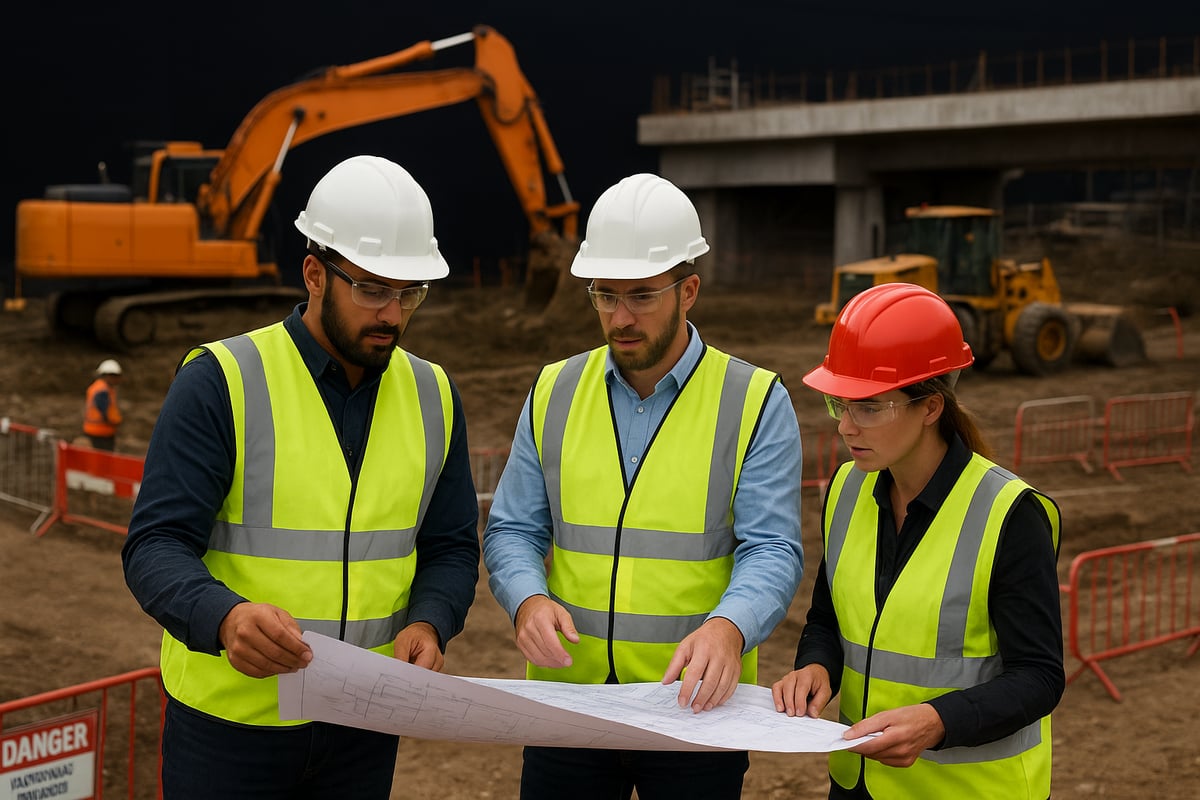
The design and engineering phase translates ideas into detailed plans. Civil engineers develop blueprints, structural calculations, and technical specifications that comply with industry standards and regulations. This is where the complexity of civil work becomes evident, requiring coordination between architects, surveyors, and other specialists.
Digital tools play a significant role. Building Information Modelling (BIM) and CAD software streamline design, allowing teams to visualise the civil work in 3D and detect issues before construction begins.
This collaborative approach minimises errors and ensures that the civil work design is robust, safe, and cost-effective. Attention to detail at this stage underpins the project’s long-term success.
Step 3: Approvals and Permits
Gaining approvals and permits is a non-negotiable part of any civil work project. Planners must navigate a web of local and national regulations, submitting detailed applications and supporting documentation.
Health, safety, and environmental compliance are closely scrutinised. Authorities evaluate the civil work’s impact on the community, environment, and infrastructure. Securing planning permission and legal permits can be a complex, time-consuming process.
Early engagement with regulatory bodies and transparent communication help streamline approvals. This step ensures that the civil work proceeds lawfully and with minimal disruption to the surrounding area.
Step 4: Procurement and Contracting
Once approvals are secured, procurement and contracting commence. This phase involves tendering, where contractors and suppliers bid for the civil work. The selection process assesses technical capability, experience, and value for money.
Contracts define the scope, deliverables, and legal obligations of each party. There are several contract types, including lump sum, design and build, and management contracting. Each is tailored to the specific requirements of the civil work project.
Clear contracts reduce misunderstandings and protect all parties. Effective procurement lays the groundwork for successful delivery, ensuring the right teams and resources are in place from the start.
Step 5: Construction and Execution
Construction is where plans become reality. The site is prepared and mobilised, with logistics carefully managed to avoid delays. Key civil work activities include excavation, foundation works, structural installations, surfacing, and kerbing. For a deeper look at how foundations and piling underpin this stage, see Foundations and Piling Explained.
Quality control is ongoing, with rigorous checks on materials and workmanship. Health and safety management is paramount to protect workers and the public during civil work execution.
Collaboration between teams ensures progress stays on track. This phase demands expertise, coordination, and a commitment to excellence.
Step 6: Inspection, Handover, and Maintenance
After construction, the civil work undergoes final inspections and snagging to ensure everything meets specifications. Any defects or issues are addressed before handover to the client or public authority.
A formal handover process transfers responsibility for the completed civil work. Ongoing maintenance is vital for asset longevity, involving regular inspections, repairs, and upgrades as needed.
Proper maintenance safeguards the investment and function of the civil work, supporting communities and businesses well into the future.
Legal, Regulatory, and Safety Considerations in Civil Work
Navigating the legal, regulatory, and safety landscape is essential for any civil work project. Robust frameworks protect stakeholders, ensure quality, and minimise risks throughout every stage of construction. In the UK, the civil work sector faces increasing scrutiny as regulations evolve and standards tighten to protect public interests.

Legal Frameworks and Contractual Obligations
Every civil work project is governed by a series of legal frameworks and contractual obligations. These define the roles, responsibilities, and expectations of all parties. Standard forms of contract, such as NEC or JCT, provide the backbone for managing risk, cost, and quality.
Key requirements for civil work include:
- Securing planning permissions and building control approval.
- Ensuring all contractors hold valid licenses and insurances.
- Complying with statutory obligations such as highways or environmental regulations.
Contracts typically outline:
- Performance standards and delivery milestones.
- Liability and indemnity clauses.
- Warranties for workmanship and materials.
Adhering to these frameworks is vital for avoiding disputes and ensuring projects progress smoothly. The civil work sector must also respond to market fluctuations and regulatory updates. For example, as highlighted in the UK construction sector experiences sharpest decline in over five years, regulatory pressures and economic shifts can significantly impact project delivery and compliance requirements.
Health, Safety, and Environmental Standards
Health and safety remain paramount in civil work. The Health & Safety at Work Act 1974 and Construction (Design and Management) Regulations (CDM) set the legal baseline for all activities. These laws mandate risk assessments, training, and safe systems of work.
Key health and safety requirements include:
- Compulsory use of personal protective equipment (PPE).
- Regular site inspections and toolbox talks.
- Incident and near-miss reporting protocols.
Environmental protection is equally important. Civil work projects must manage waste, control pollution, and safeguard biodiversity. Regulatory bodies, such as the Environment Agency, enforce compliance through permits and inspections.
Recent statistics show that accident rates in civil work have declined as firms prioritise training and robust safety cultures. Still, ongoing vigilance is required to maintain and improve these standards, especially as projects become more complex.
Risk Management and Quality Assurance
Effective risk management is integral to successful civil work. Projects face challenges ranging from unexpected ground conditions to supply chain disruptions. Identifying, assessing, and mitigating these risks early can prevent costly delays.
Best practices for risk management include:
- Comprehensive risk registers and regular reviews.
- Adequate insurance and performance bonds.
- Clear escalation procedures for emerging issues.
Quality assurance underpins every aspect of civil work. Industry accreditations, such as SafeContractor or Constructionline Gold, demonstrate a commitment to excellence. Regular audits, inspections, and client feedback loops help to maintain high standards and deliver lasting value.
By embedding these legal, regulatory, and safety principles into every project, the civil work sector builds trust, ensures compliance, and delivers outcomes that benefit society.
Best Practices and Innovations in Civil Work (2025)
Civil work in 2025 is evolving rapidly, shaped by new technologies, sustainability goals, and a changing workforce. Staying ahead means adopting best practices and innovations that not only deliver quality infrastructure but also futureproof projects for years to come. In this section, we explore how civil work is being transformed across sustainability, digitalisation, skills development, and emerging trends.
Embracing Sustainability and Green Construction
Sustainability is now central to every civil work project. Contractors and clients are demanding eco-friendly approaches that reduce environmental impact while maintaining long-term value. The use of recycled aggregates, such as crushed concrete and asphalt, is increasingly common. By integrating low-emission machinery and electric vehicles, civil work teams are reducing carbon footprints and improving air quality on site.
Circular economy principles are being adopted, where materials from demolition are salvaged and reused wherever possible. Rainwater harvesting, permeable paving, and green roofs are standard features in public realm projects. These practices not only support biodiversity but also help manage urban flood risks.
Case studies across the UK demonstrate the benefits of sustainable civil work. For example, major infrastructure projects now regularly publish sustainability reports, tracking waste reduction, energy use, and carbon savings. With clients prioritising green credentials, civil work is setting new benchmarks for responsible construction.
Digital Transformation in Civil Work
Digital technology is reshaping how civil work is planned, delivered, and maintained. Building Information Modelling (BIM) enables teams to visualise projects in 3D, coordinate across disciplines, and identify potential issues before construction begins. The integration of drones for surveying and site inspections is speeding up data collection and improving safety outcomes.
Advanced project management platforms allow real-time tracking of progress, resources, and costs. This transparency ensures civil work projects stay on schedule and within budget. Predictive maintenance, powered by IoT sensors embedded in infrastructure, alerts teams to potential problems before they escalate, extending the lifespan of assets.
Adopting digital tools also enhances collaboration between engineers, architects, and contractors. Civil work professionals benefit from clearer communication, reduced rework, and a more efficient workflow. In 2025, digital transformation is not optional, it is a competitive necessity.
Workforce Development and Skills
The civil work sector faces an ongoing challenge: bridging the skills gap. As projects become more complex and technology-driven, demand for highly trained professionals is rising. Investment in apprenticeships, on-the-job training, and continuous professional development is critical for success.
Government initiatives, such as funding for construction skills programmes, are helping attract new talent into civil work. Employers are prioritising diversity and inclusion, recognising that a varied workforce brings fresh perspectives and fosters innovation. Training in digital skills, sustainability practices, and health and safety is now standard across the industry.
Civil work contractors that invest in their people see measurable benefits, from improved project outcomes to higher staff retention. By supporting workforce development, the sector is building resilience and ensuring it can meet the infrastructure needs of the future.
Future Trends and Emerging Technologies
Looking ahead, civil work in 2025 is being transformed by cutting-edge innovations. Modular construction is streamlining complex builds, allowing components to be manufactured off-site and assembled quickly. 3D printing is making bespoke concrete elements and bridge components possible, reducing waste and speeding up delivery.
Smart infrastructure, using IoT sensors and real-time data analytics, is enabling more responsive maintenance and efficient asset management. Robotics and automation are taking on repetitive or hazardous tasks, improving both safety and productivity. The sector is also exploring the integration of artificial intelligence for design optimisation and project planning.
For a deeper look at the most significant trends, industry experts have highlighted the top five game-changers shaping civil engineering in 2025. You can read more in this Top 5 Game-Changing Civil Engineering Trends for 2025 article, which covers sustainability, digital innovation, and smart infrastructure in detail.
Civil work is entering a new era, defined by adaptability and innovation. Staying informed about these trends ensures that contractors, clients, and communities are ready to build the infrastructure of tomorrow.
Choosing the Right Civil Work Partner
Selecting the right partner for civil work projects is essential for long term success. The contractor you choose can influence project timelines, cost control, quality, and compliance. A well qualified civil work contractor brings expertise, reliability, and a proven safety record to the table.
Criteria for Selecting a Civil Work Contractor
When choosing a civil work contractor, several key factors should guide your decision. Experience is vital, as contractors with a track record in similar projects are more likely to deliver consistent results. Look for industry accreditations such as SafeContractor, Constructionline Gold, and SMAS, which demonstrate a commitment to quality and compliance.
A contractor’s ability to communicate clearly and manage projects transparently is crucial. Reliable project management helps prevent delays and ensures resources are used efficiently. Assess the contractor’s health and safety records, as civil work environments pose unique risks. Quality assurance credentials also indicate a robust approach to standards.
With the UK government pledging £600 million to address construction skills shortages, workforce quality is becoming even more critical. Choosing a contractor who invests in training and upskilling can give your civil work project a strong foundation for success. Always review their approach to risk management and their insurance coverage before making a final decision.
Questions to Ask Potential Partners
Before appointing a civil work partner, ask targeted questions to gauge their suitability. Start by inquiring about similar projects they have completed and request detailed case studies or references. Understanding how they manage risks and regulatory compliance is essential for protecting your investment.
Ask about their approach to quality control and how they handle unforeseen issues during a project. Can they adapt to changes in project scope or unexpected site conditions? Reliable contractors should be transparent about their processes and happy to provide evidence of past performance. This step helps ensure your civil work project proceeds smoothly from start to finish.
JRG Civils Ltd: A Trusted Civil Engineering Partner
JRG Civils Ltd stands out as a trusted partner in the civil work sector, offering expertise across commercial and domestic projects. Their portfolio includes notable schemes such as Costa Coffee and Greggs drive throughs, as well as complex road design and construction.
The company delivers a comprehensive range of civil work services, covering drainage, highways, foundations, surfacing, and demolition. Their industry accreditations, including SafeContractor and Constructionline Gold, reflect a strong commitment to safety and quality. For clients seeking sector specific expertise, JRG Civils also excels in Highways and Carriageways Projects, ensuring your infrastructure needs are met by professionals.
JRG Civils Ltd adopts a client centric approach, providing end to end project management, free quotations, and flexible service areas. Their focus on delivering high quality outcomes and maintaining client satisfaction has earned them a reputation for reliability throughout the UK civil work landscape.
Ensuring Project Success
Securing project success in civil work relies on clear contracts, defined deliverables, and proactive communication. Establish expectations from the outset, ensuring both parties understand timelines, responsibilities, and quality benchmarks.
Ongoing dialogue is key for resolving issues quickly and adapting to changing site conditions. Post project support, including maintenance agreements, can help protect your investment and keep assets performing well into the future. With the right civil work partner, you can achieve your project goals efficiently and confidently.
Frequently Asked Questions about Civil Work
Civil work is a complex field, and many people have questions about how it differs from general construction, what is involved in a typical project, and how to select the right partner. In this section, we address the most common queries, helping you gain a clear understanding of civil work in 2025.
Common Queries Answered
What is the difference between civil work and general construction?
Civil work refers specifically to the construction, maintenance, and repair of large-scale infrastructure, such as roads, bridges, drainage systems, and public spaces. General construction can include residential and commercial buildings, but civil work focuses on public assets and utilities that support the wider community.
How long do typical civil work projects take?
Project duration for civil work varies widely. Small drainage or site clearance jobs may take a few weeks, while major projects like highways or flood defences can span several years. Factors influencing timelines include project size, regulatory approvals, weather, and supply chain conditions.
What qualifications should a civil engineering contractor have?
A reputable civil work contractor should hold relevant industry accreditations, such as SafeContractor or Constructionline Gold, and demonstrate experience in similar projects. Look for qualifications in health and safety, environmental management, and technical competence. Always verify references and previous case studies.
Are there government grants or funding for civil work projects?
Yes, there are government initiatives to support civil work, particularly those addressing skills shortages and infrastructure upgrades. For example, the UK government pledges £600 million to address construction skills shortages, which directly impacts the civil sector by supporting training and workforce development.
What are the main risks and how are they managed?
Risks in civil work include safety hazards, environmental impacts, cost overruns, and project delays. Effective risk management involves detailed planning, regular inspections, insurance, and adherence to strict health and safety regulations. Quality assurance processes also play a crucial role in mitigating risks.
How can clients ensure projects are delivered on time and on budget?
Clear contracts, defined deliverables, and ongoing communication are vital for successful civil work. Clients should choose experienced contractors with strong project management skills and a proven track record in similar projects. Regular progress meetings and transparent reporting help keep the project on track.
Useful Resources and Further Reading
Staying up to date with civil work trends and best practices is essential for professionals and stakeholders. Here are some recommended resources:
-
Industry Associations:
- Institution of Civil Engineers (ICE)
- Construction Industry Council (CIC)
-
Regulatory Bodies:
- UK Health & Safety Executive (HSE)
- Local planning authorities
-
Innovations and Technology:
- For insights into how digital tools are reshaping civil work, see the latest research on Generative AIBIM: Integrating BIM and generative AI in structural design, which explores the impact of advanced modelling and artificial intelligence in the sector.
-
Websites for Standards and News:
- ICE and CIC official sites for standards and guidance
- HSE for up-to-date regulations and safety alerts
- Engineering news portals for the latest in civil work sector
By consulting these resources, you can deepen your knowledge of civil work, stay informed about regulatory changes, and keep pace with innovations shaping the industry in 2025. A proactive approach to learning ensures you remain competitive and compliant in the evolving civil work landscape.